From Supercar Engines to Navigation Systems: How 52 Chunghwa Telecom Executives Built a Shared Product Governance Language

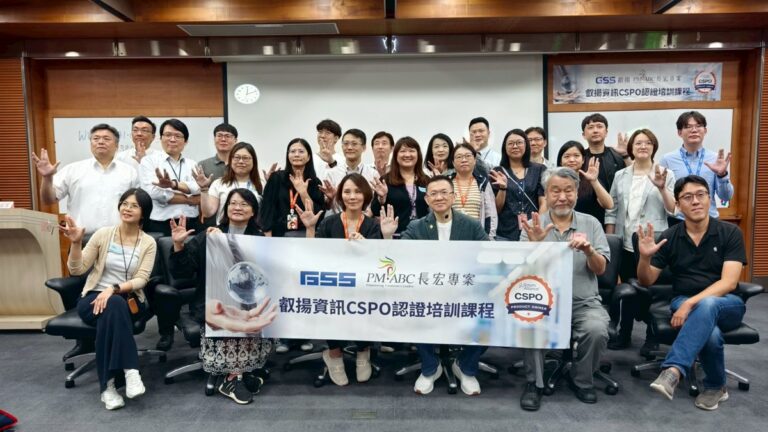
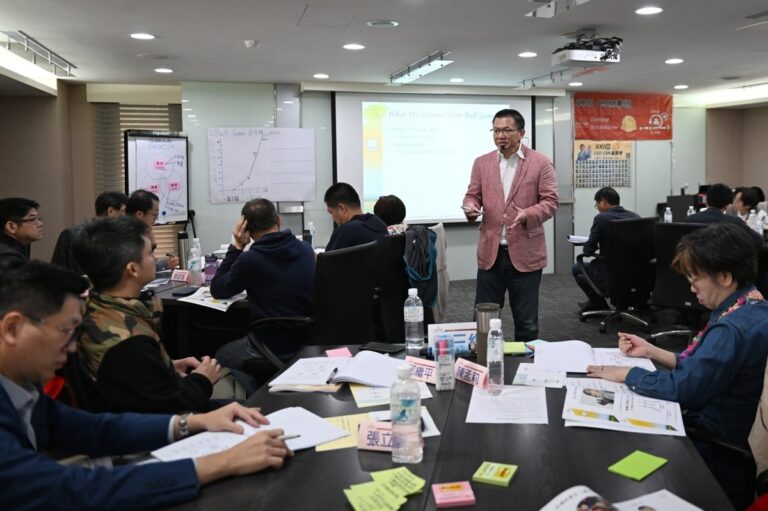
Most corporate agile transformations halt at the team level: stand-up meeting, Sprints, and Kanban boards are all in place—but what comes next? No matter how fast a team executes, if senior leadership lacks a unified language for product trade-offs, however hard every department works, the overall strategic direction still subtly drifts. Chunghwa Telecom chose a different path: Completing two cohorts with 52 executives earning CSPO certifications—and advancing toward a goal of 100 certified executives across four cohorts—they brought real-world, cross-business-group product trade-offs directly into the classroom. This is not merely about 52 certificates; but also marks 52 product decision nodes beginning to think in the same language of value. The next frontier of Agile lies not in team execution, but in executive product decision-making. What value system is your leadership operating on?