Isn’t AI Replacing Engineers — It’s Judgment Becoming the Only Scarce Thing
A fellow agile practitioner, Bernie Maloney, recently forwarded me a piece by Philippe Guenet titled “Are We Heading Toward the One-Person Scrum Team?” Philippe’s core argument is simple, but a lot of people get it backwards: the biggest change AI brings isn’t a better coding tool—it’s the self-service-ization of software development. Sooner or later, a well-written User Story will be enough to generate working software.
A lot of readers exhale here, assuming this is a story about headcount you can cut.
But Philippe’s real cut comes later: when delivery becomes abundant and nearly frictionless, the governance question moves up—from “can we build it?” all the way to “should we be building this at all?”
This is exactly what I keep running into while coaching Taiwanese CEOs through agile. What actually stalls a company is never that engineering can’t deliver. It’s that no one in the decision layer is equipped to judge what’s worth doing.
The CEO Is the Last One the Organization Protects from the Truth
I once coached a company’s executive meeting, and it stayed with me. It started as a routine strategy review—the CEO at the head of the table, a few VPs, the head of sales, the head of product. Everyone reported their numbers: revenue, attainment, project progress. It all looked fine.
Then we laid out customer feedback, churn reasons, and competitor moves side by side. The air in the room changed.
A frontline manager said one sentence: “Honestly, customers aren’t asking whether our features are good enough anymore. They’re asking whether we still understand the business they’re in now.”
When that landed, the room went silent for about three seconds.
Those three seconds were long. Because everyone knew this wasn’t a feature problem. It was a problem of a market signal that had already shifted.
The CEO didn’t get angry, and he didn’t push back. He just looked at that feedback sheet and asked one thing: “When did you all know about this?”
Nobody answered right away.
Eventually it came out: sales had known for a while, support knew, product had a feeling too—but as those signals traveled upward, they got packaged into something prettier, safer, less like bad news.
What I saw in that moment was this: a CEO who isn’t unintelligent and isn’t lazy was simply the last person the organization protected from the truth.
This is what Bernie means by the “reverse Conway maneuver.” Conway’s Law says the system architecture an organization produces ends up mirroring its communication structure. In other words, if your decision structure is old, all the AI in the world just helps you produce old things faster. Faster engineering never automatically fixes a rigid decision layer—it just exposes that rigidity faster.
Real agility isn’t the people below moving faster. It’s whether the executives can hear the truth earlier, see the signals, and make the trade-offs. Most companies’ problem isn’t a lack of data; it’s that by the time the data reaches the decision layer, it’s already distorted. So I often say the most important thing in an agile transformation isn’t the standup or the kanban board. It’s getting the truth back into the meeting room.
Why I Insist the Top Decision-Maker Sits in the Classroom Himself
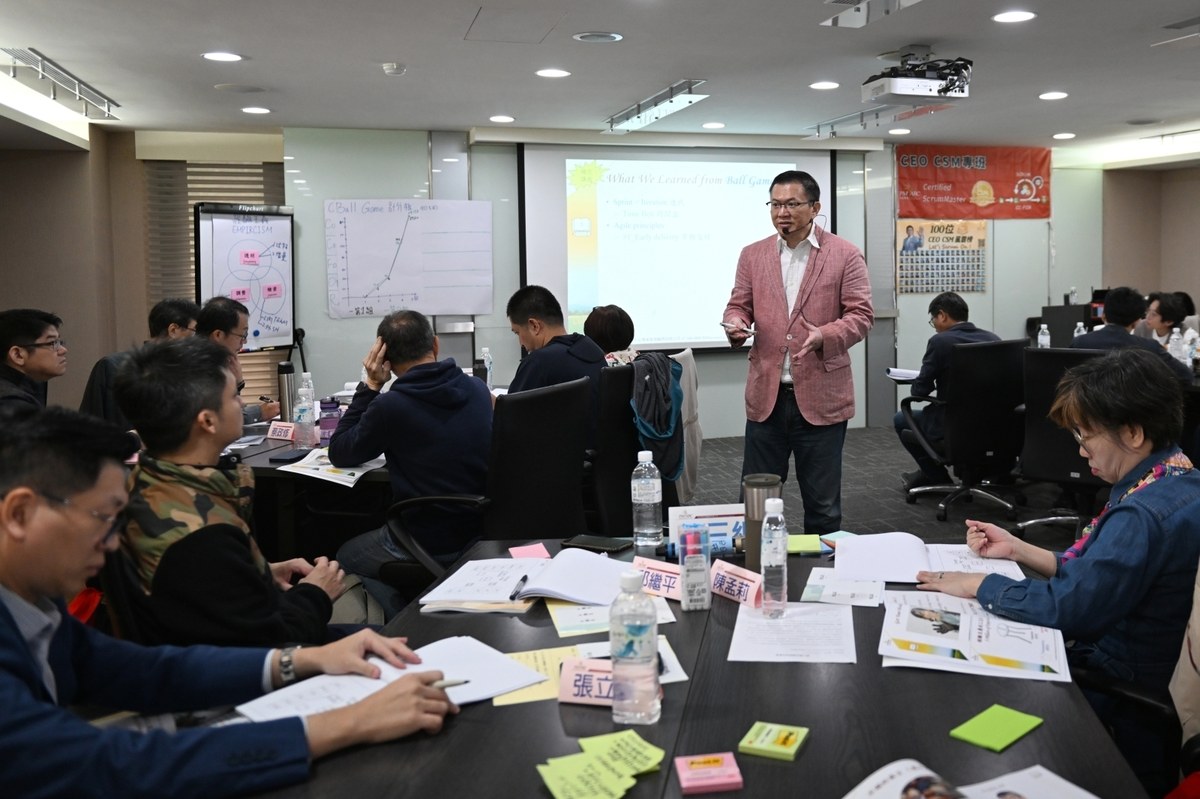
When Nani Book (a 70-year-old textbook publisher) set out to launch its data-driven education transformation, Chairman Su Wei-chuan made a decision most CEOs won’t: he led the way himself. Including two VPs, 27 core executives stopped their day-to-day work for two full days to complete CSPO training together.
Most people see the certificate. What I saw was a company choosing to face its crisis early.
The truly expensive thing was never the training fee—it was the opportunity cost of 27 core executives stepping away from the business for two days at once. But what made me think “this transformation will actually work” wasn’t that they showed up to class. It was one moment in a discussion.
We weren’t memorizing Scrum terms or reciting frameworks. We were on a deeper question: if the market has changed, has our way of making decisions changed with it?
One manager who’d been quiet suddenly spoke up. Roughly: “We used to think getting things done was what ‘being responsible’ meant. But now it seems finishing isn’t enough—you have to confirm that what you finished actually creates value for the customer.”
When that came out, I watched several executives start to nod. Not a polite nod—the kind that says “we all knew where the problem was; it just finally got said out loud today.”
That was the key frame. Because whether a transformation succeeds isn’t measured by how lively the class was. It’s measured by whether executives can shift from “managing progress” to “managing value.”
Nani used to make textbooks: one product prepared over one, two, even three years, then launched once. All or nothing—if the market didn’t bite, you started over. Releasing in small steps isn’t lowering the bar; it’s lowering the cost of a single failure. But if only the middle managers understand that and the chairman doesn’t, it won’t survive a single day inside the organization. Because “being willing to ship an imperfect version first” is fundamentally a question of courage at the decision layer—not a technical question at the execution layer.
What a transformation fears most isn’t employees refusing to change. It’s executives who only want to watch other people change. Nani showed me the opposite: executives willing to stop first, learn first, and admit first that the model that made them successful might no longer be enough. In that moment I knew this company had a shot. Because real transformation doesn’t start with process. It starts with the decision-maker being willing to relearn.
Governance Is Moving Up — From “Delivery” to “Strategy”

A telecom company’s case is very telling, because it wasn’t a small team practicing Scrum—it was the decision layer genuinely facing the problem of sequencing resources. A VP was acting as CPO, with three Scrum teams running in parallel. All three teams were diligent, and all three could make a case for why their work mattered most.
That’s where the problem showed up. When resources started to conflict, the natural question became: “Why do you go first? Why not me?”
The moment that was said, the room locked up.
Because in large organizations, sequencing often didn’t lack a method—the method was just hidden inside titles, departments, budgets, historical commitments, or who’s better at persuading. On the surface people were debating priorities; underneath, they were debating authority, resources, and who gets credited for performance.
My intervention in that moment wasn’t to send everyone off to hold more meetings, nor to ask the three teams to each give a little. I asked everyone to stop and change the question from “whose project is more important” to “what shared standard do we use to judge importance.”
That’s a huge difference. If people are just comparing who’s louder, you always end up back at departmental positions. But if the decision layer is willing to define the standard together, things start to get clear.
This is really a shift in language. When everyone is asking “why do you go first,” that’s the language of “I.” When people start asking “what standard do we use to decide together,” the language moves from “I” to “we.” And when that standard actually gets defined together and starts running, executives who had each been fighting their own corner become, for the first time, an “us”—a group of people turning into a team. That shift doesn’t come from whoever holds the highest title making the call. It comes from facilitation: putting the voices that got edited out and never heard back on the table, so the decision layer grows its own consensus and cascades it up and down.
So we pulled the discussion back to a few questions: How much customer value does this create? How much does it contribute to company strategy? What’s the opportunity cost of not doing it? What’s the difference between doing it now versus three months from now? How many cross-department resources does it tie up? Is the risk a technical risk, a business risk, or an organizational-coordination risk?
Once those questions were on the table, the decision layer suddenly realized the real bottleneck wasn’t the three teams—it was that the executives had never had a shared product-decision language.
This is what I especially emphasized in that case: a CPO is not a bigger Scrum Master. A CPO has to align the efforts of multiple teams to enterprise-level product value and strategic trade-offs. What actually got unlocked wasn’t just the sequencing problem. It was that everyone began to see the future can’t run on each department fighting for itself—it needs a transparent decision standard so that resource allocation can be discussed, challenged, and tracked.
This is the governance shift Philippe describes: when delivery becomes abundant, the CEO’s job is no longer to ensure “we can build it,” but to ensure “we’re building the right thing.” The friction cost of decisions has replaced the friction cost of delivery as the organization’s new bottleneck. And the most essential step in a large organization’s agile adoption is never to make teams busier—it’s to make decisions clearer.
Real Coaching Isn’t Making the Client Comfortable — It’s Helping Them See the Reality They Must Face
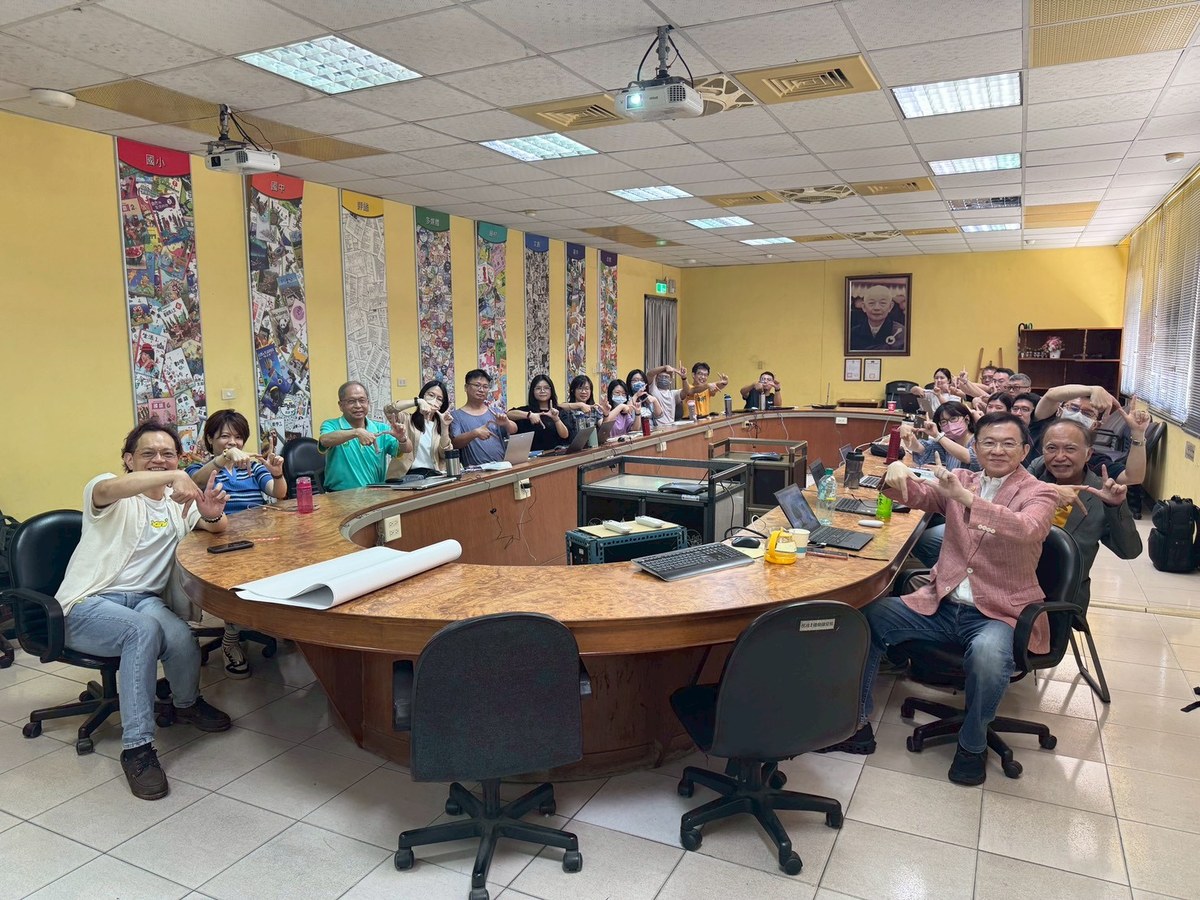
The hardest part of coaching CEOs and executives isn’t teaching Scrum. It’s that sometimes you have to tell the truth in the meeting room. And that truth is usually not what people most want to hear.
In one executive meeting, the leaders were discussing a transformation project. Everyone was working hard and everyone wanted it to succeed, but as I listened, I realized the problem wasn’t in the team, the tools, or the process—the problem was that the decision layer hadn’t actually made its trade-offs yet.
So I said something fairly heavy, right there: “If the executives aren’t ready to give some things up, the teams below can never truly be agile. Because you say you want speed, but in practice you list everything as the top priority.”
When that landed, the room went quiet. I knew the mood had shifted.
Because that sentence wasn’t a criticism of the team—it was moving the responsibility upward. A lot of organizations talk about agility by dumping the pressure on the team: be faster, more proactive, more cross-functional. But if executives won’t sequence, won’t cut the low-value work, won’t bear the cost of their choices, the team just becomes a more exhausted team—not a truly agile one.
One executive looked at me and said: “So you’re saying we’re the bottleneck?”
I paused, then answered: “It’s not that you aren’t working hard. It’s that at this stage, the biggest leverage is no longer in the team—it’s in your way of making decisions.”
That was a risky thing to say. Because the safest thing a consultant can do is say things everyone already agrees with. But I’ve come to believe more and more that real coaching isn’t making the client comfortable. It’s helping the client see the reality they have to face.
Afterward, that company began to change how its executive meetings ran—no longer just listening to progress, but talking about priorities, resource trade-offs, business assumptions, and customer value. The value of that one sentence wasn’t that it was heavy. It was that it got the decision layer to admit: agility isn’t asking the people below to run faster—it’s asking the people above to be braver.
In Closing: The Real Danger Isn’t Making a Wrong Decision — It’s Realizing Too Late That You Need to Decide Again
If you’re a CEO, the core question of this piece isn’t “should we adopt AI tools.” It’s whether, when delivery is no longer scarce, your decision layer is truly ready to use product thinking to own your revenue structure and judgment quality for the next three years. If you’re a mid-to-senior manager, the friction you feel right now is often not your team’s capability problem—it’s that the language one level up hasn’t been aligned yet.
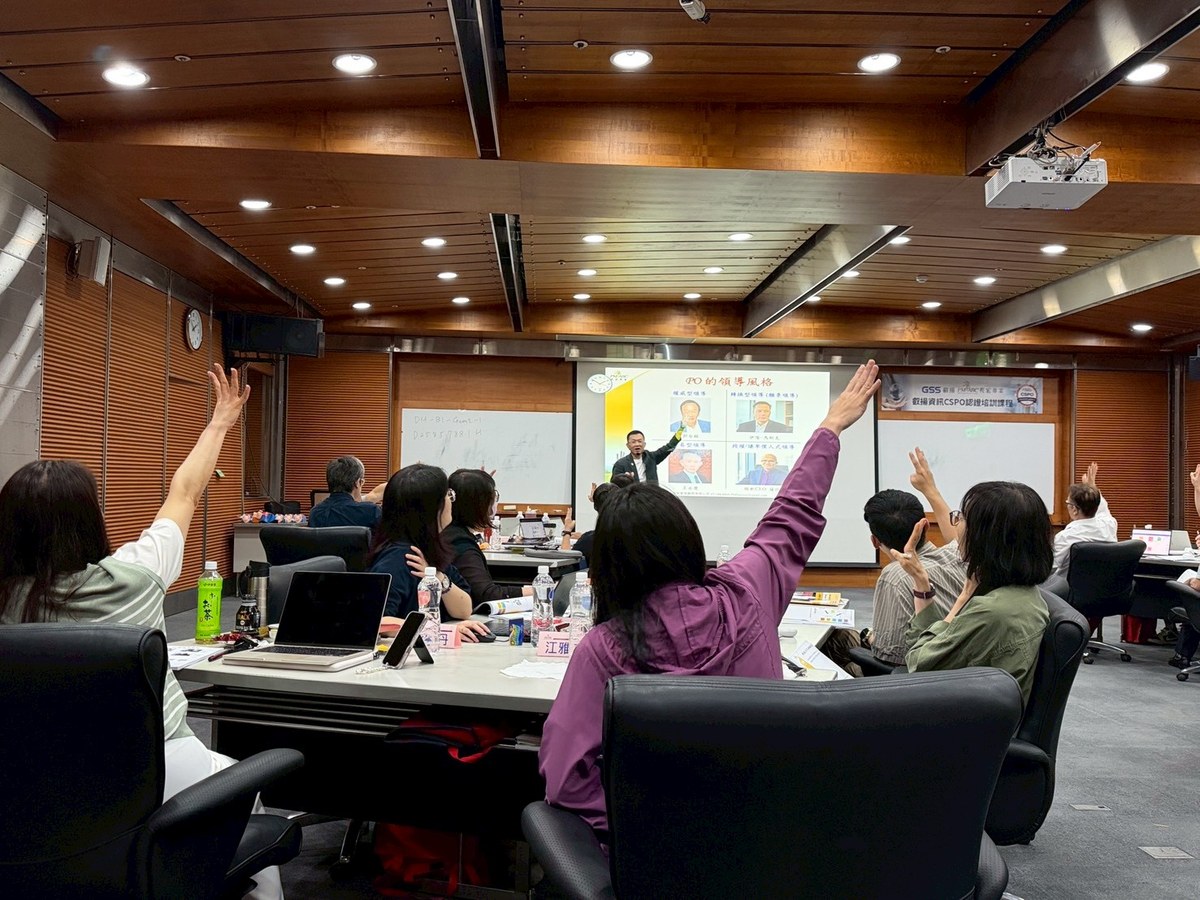
This is exactly why, when I coach companies, I don’t start with tools. I start with getting the top decision-makers to re-understand product thinking. But honestly, real organizational transformation never runs on coaching alone. It needs three paths walked together: training, facilitation, and coaching. Training is how executives first grasp the concepts and grow a shared language—those 27 Nani executives in CSPO were doing exactly that. Facilitation is how a room full of executives, each with their own position, get the truth spoken out loud and grow a consensus that cascades up and down—that’s what CAF does. Coaching is being alongside the decision-maker under the pressure of a real project, turning what they learned into the decisions they actually make every day. Drop any one of the three, and the transformation stalls halfway.
I also keep reminding myself of one thing: change never comes from one person using a title or authority to “drive” everyone else. What I can change on my own is, honestly, quite limited. Real transformation starts from a willingness to share experience and support the people who need it—moving the language from “I” to “we,” and from “we” to “we are a team.” A CEO can’t do this alone, and neither can a consultant. It’s something a group of people live through together, on the ground.
A lot of CEOs are waiting for a better moment: wait for the economy to steady, wait for the org to get through this wave, wait for the system to go live, wait until headcount is filled, wait until everyone has more consensus. But the market won’t wait for you to be ready. AI won’t wait for you to be ready. And your customers’ expectations won’t wait either. If you still have time today to learn, pilot, and adjust, that’s transformation. If you only start moving after revenue drops, customers leave, and competitors catch up, that’s not transformation—that’s damage control.
You don’t have to transform the whole company at once. You can start by getting the executives to build a shared language, pick one genuinely important business issue, and run one short-cycle pilot—so the organization sees what a new way of deciding can change. A CEO doesn’t need all the answers up front. But a CEO can’t keep pretending the problem can wait a little longer.
If I could say just one thing to you while you’re still on the fence, it’s this: don’t wait for the market to force you to change. Because by that day, what you pay isn’t just the cost of transforming—it’s the cost of losing your right to choose.
Because in this era, the most dangerous thing isn’t making a wrong decision. It’s realizing too late that you need to decide again.
A Note to Fellow Members: On My Candidacy for the Scrum Alliance Board
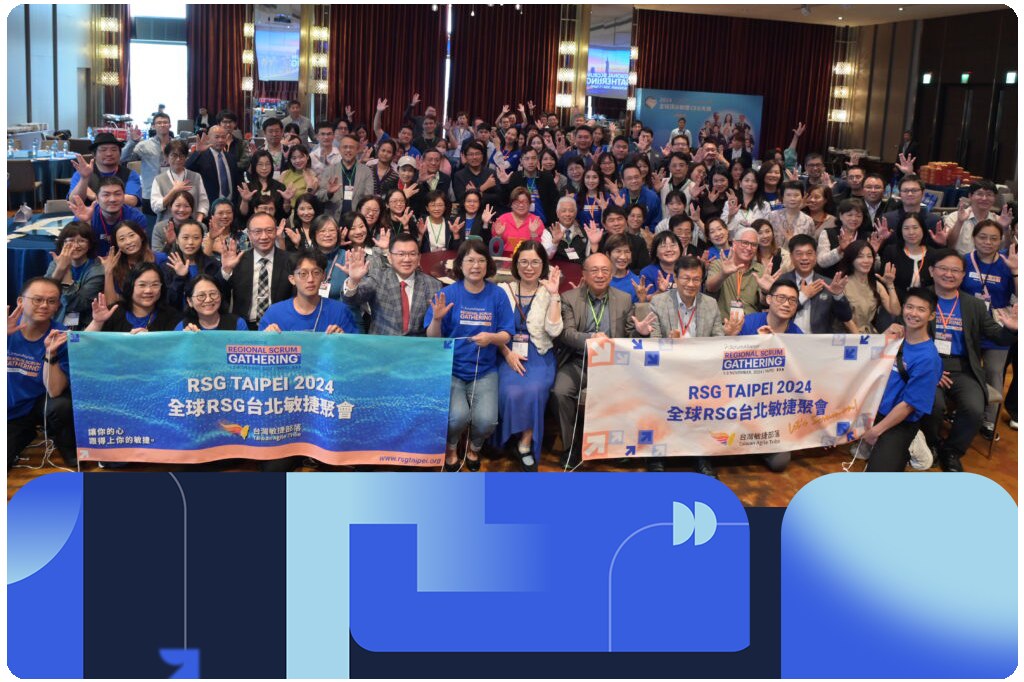
Dear members, this is Roger.
I have to be honest: in this election, we’re the underdog.
The Scrum Alliance Board is elected globally, with only 3 seats. Most competitors come from Europe and the US with a decade-plus of presence; Taiwan’s voter base is small, and I’ve only held the CST for three years. On the objective conditions, we’re behind.
But being the underdog doesn’t mean being unarmed. Our weapon is unity.
I’m running for one reason—to make your company’s executives truly see the value of the CSM and CSPO in your hands. When leaders start to value agility, every certificate you hold carries more weight. This isn’t me fighting for myself. It’s fighting for every certificate holder in Taiwan.
If we each go it alone right now, our odds are slim. If we’re willing to call out to one another, a miracle becomes possible.
One post might be the few votes that decide it. The deadline is 6/24. Taiwan, it’s on you.
Please do two things for me:
1. Share this page on Facebook so more CSMs and CSPOs see it: https://rogersnotes.com/vote-roger/
2. If you’re a CSM or CSPO, please vote (2 minutes): find the email in your inbox from boardnominations@scrumalliance.org; or log in to your Scrum Alliance Dashboard, click the first item in the Message Center, and vote. Tutorial video: https://youtu.be/iVZ5h6nCly0
Roger Chou, PhD — Taiwan’s first and only International Agile Ambassador