Where the SOP Ends Is Exactly Where Things Go Wrong
“That’s not my job.”
Has anyone said that in your organization this month?
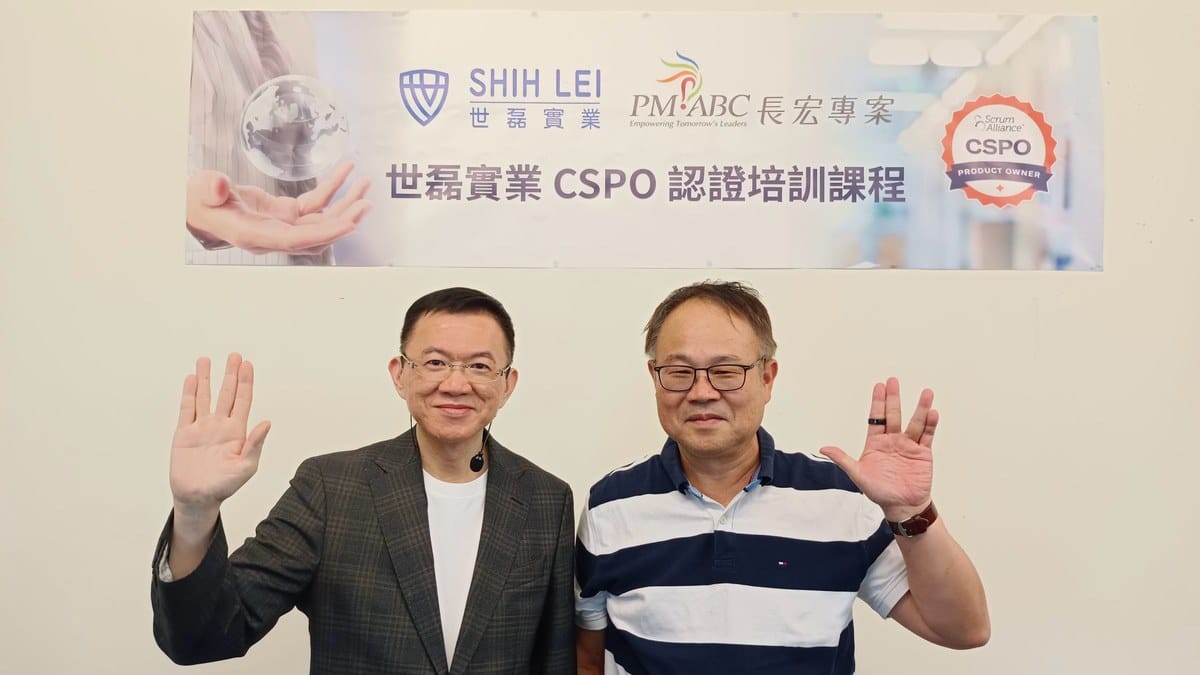
Most executives hear that sentence, frown for a second, and move on to the next meeting. Wei-Hsiung Hsieh, General Manager of Shih Lei Industrial, didn’t. He took 18 of his managers to Tamsui, locked them in a classroom for two days, and personally wrote three case studies himself — not to trip them up, but to get them to say those two words on their own.
1-Minute Video Recap
Shih Lei is Taiwan’s #1 premium kitchen appliance brand. Its systems are rigorous, its data infrastructure is solid, and its managers, one by one, are conscientious people.
Systems can force action. They cannot force ownership.
I’ve coached companies for years, and what worries me most is never a company with no systems — it’s a company that has everything, and things still go wrong in the same place every time: the gap between two departments, the seam between two job descriptions that nobody wrote their name on.
Everyone does their own piece of the job correctly. Add it all up, and the customer still doesn’t get what they needed.
That kind of loss never shows up on a report. A rush order slips through the cracks, and no one is held responsible — the customer just quietly waits, then quietly stops coming back. By the time the complaints pile up high enough to land on the GM’s desk, how many customers has that already been?
Gray areas aren’t governed by systems. They’re governed by culture. And culture is the GM’s job.
He Didn’t Hire a Speaker to Talk About Accountability. He Wrote the Test Himself.
Most companies trying to change their culture bring in a speaker for a two-hour lecture on “accountability.” The room nods along, then goes back to business as usual.
GM Hsieh chose a different path.
A month before the class, he personally pulled together three things that had actually happened inside his company and handed them to me. Not complaints — case studies, each with context, conflict, stakeholders, and trade-offs he himself hadn’t fully resolved. I turned them into a Managers’ Decision Casebook: three cases, one thread running through all of them — accountability doesn’t live inside the SOP. It lives in the space the SOP can’t reach.
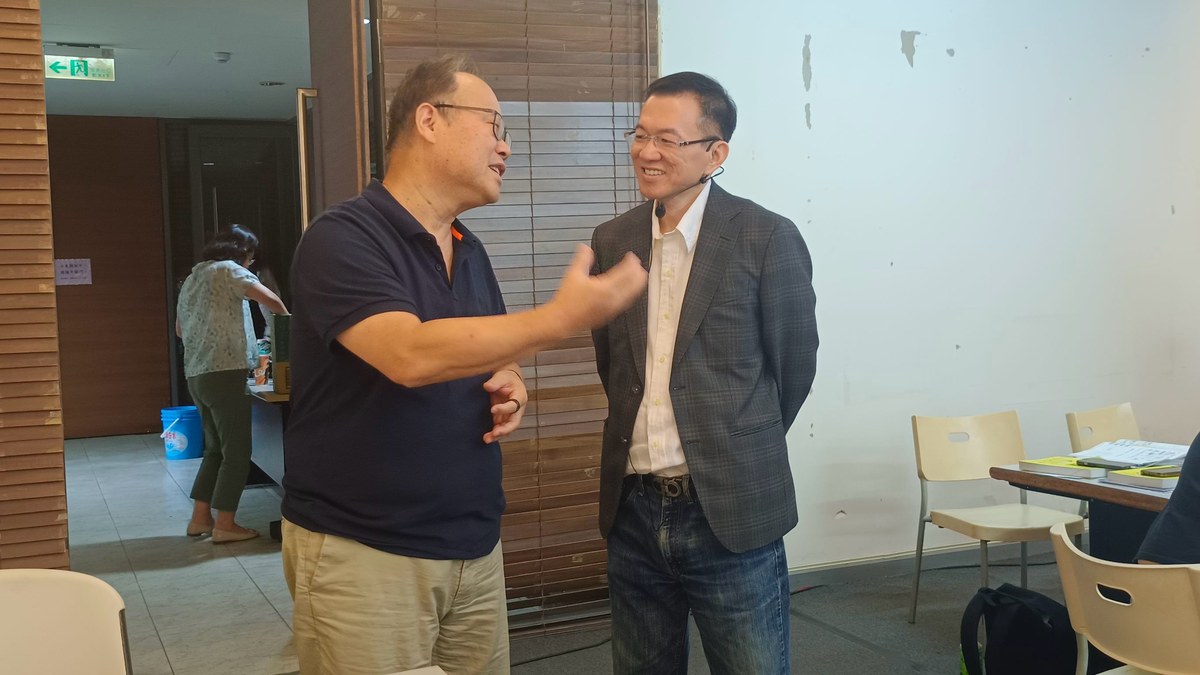
During a break, he said something that turned out to be the design brief for the whole two days:
“I’d rather they feel it themselves than have me tell them. If we can get them to say the word ‘accountability’ on their own, this class was worth it.”
A GM willing to put his own company’s hardest problems on the table as teaching material — that alone is a statement.
Here’s a question worth asking up front: if this is just the boss throwing out hard problems and putting managers on the spot, couldn’t any CEO who’s good at asking questions skip CSPO and do this himself?
No. Before those three cases ever hit the table, two days had already done something else — installing the same language into eighteen people. What’s worth doing first, and why (that’s value judgment). What’s really behind a symptom (problem analysis). When you only have resources for one thing, which one goes first, and on what grounds (prioritization). Different departments seeing the same goal, not just talking past each other — that’s what alignment actually means (cross-functional alignment). Turning an idea into a proposal someone else can understand and put their name behind, instead of just venting (solution articulation).
I’ll be honest — those five terms sound like they belong in a textbook. But without that shared language, throwing out hard questions is just an improv performance testing who has the thickest skin. With it, the same questions become a real proving ground for judgment — and the CSPO certification is simply what people walk away with at the end of two days. It was never the point.
Case One: Hitting Your Own Numbers Isn’t the Same as the Customer Getting What They Ordered
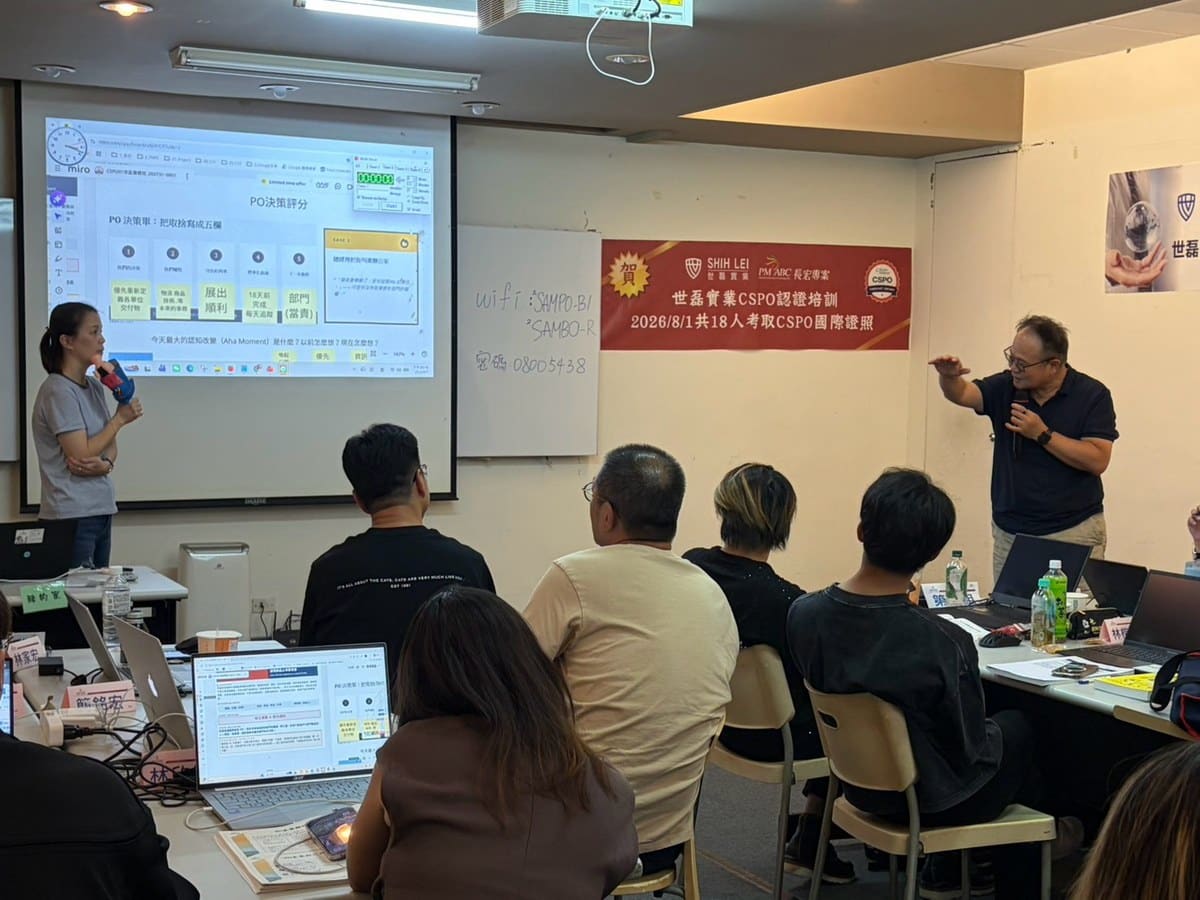
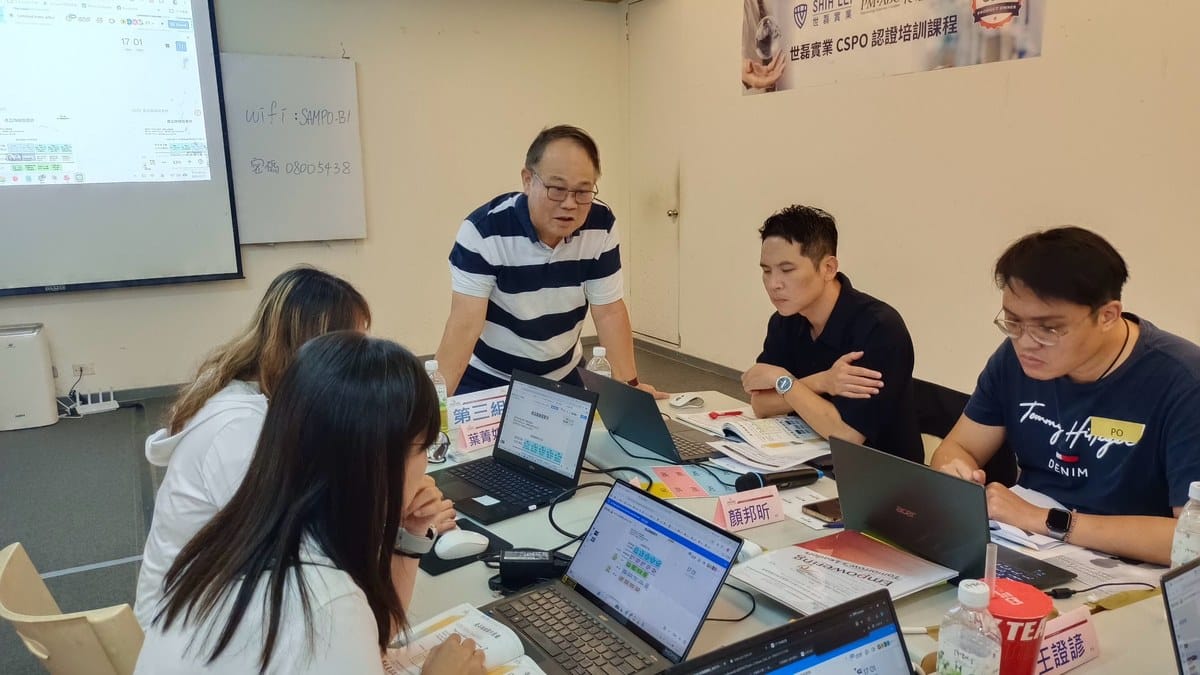
The first team drew the backlog at the repair centers. One center had growing wait times and was stretched thin; two others were stable, even had slack capacity. But support never kicked in — because both sides’ KPIs were scoped to “this center,” and helping another center didn’t count toward anyone’s numbers.
The PO stood up, took two minutes, and pitched well: reassign staff, add overtime, outsource — she even had a timeline worked out.
Then the GM spoke.
He didn’t critique the plan. He went straight up a level: a KPI is a means to a management goal, not the goal itself; if a KPI produces this kind of outcome, it needs to be rethought. Then he added the line that landed harder — all of this is surface. Underneath it, someone still hasn’t taken ownership.
The room went quiet for a few seconds.
That was the first live test of value judgment — not about who was right or wrong, but about which one actually mattered more: the KPI, or the purpose behind it.
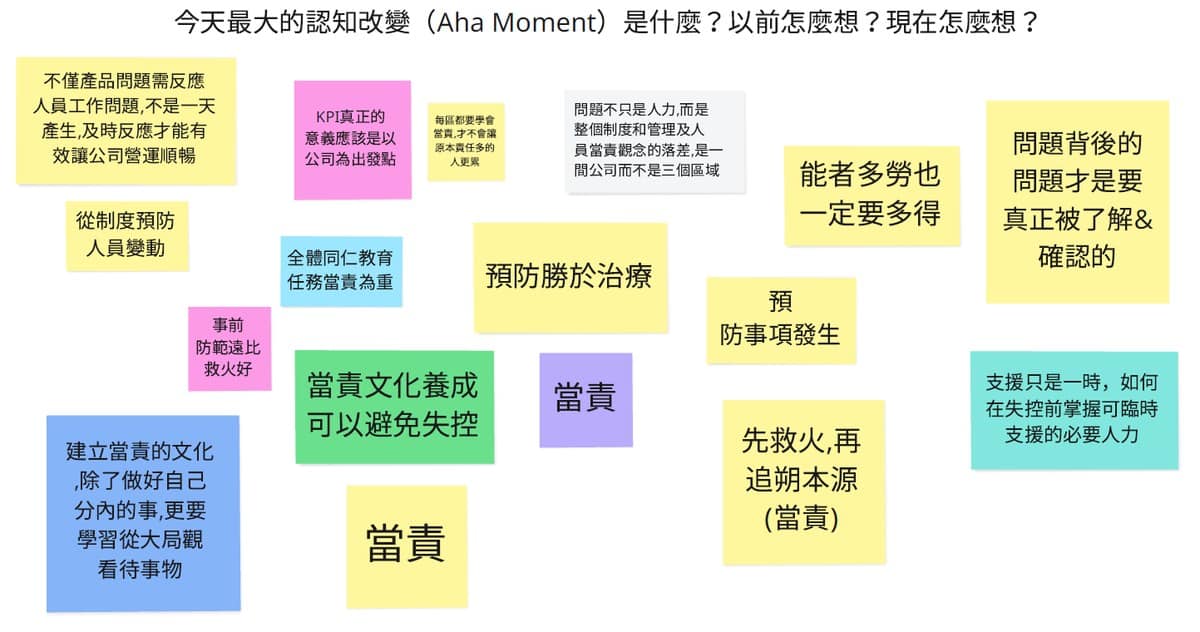
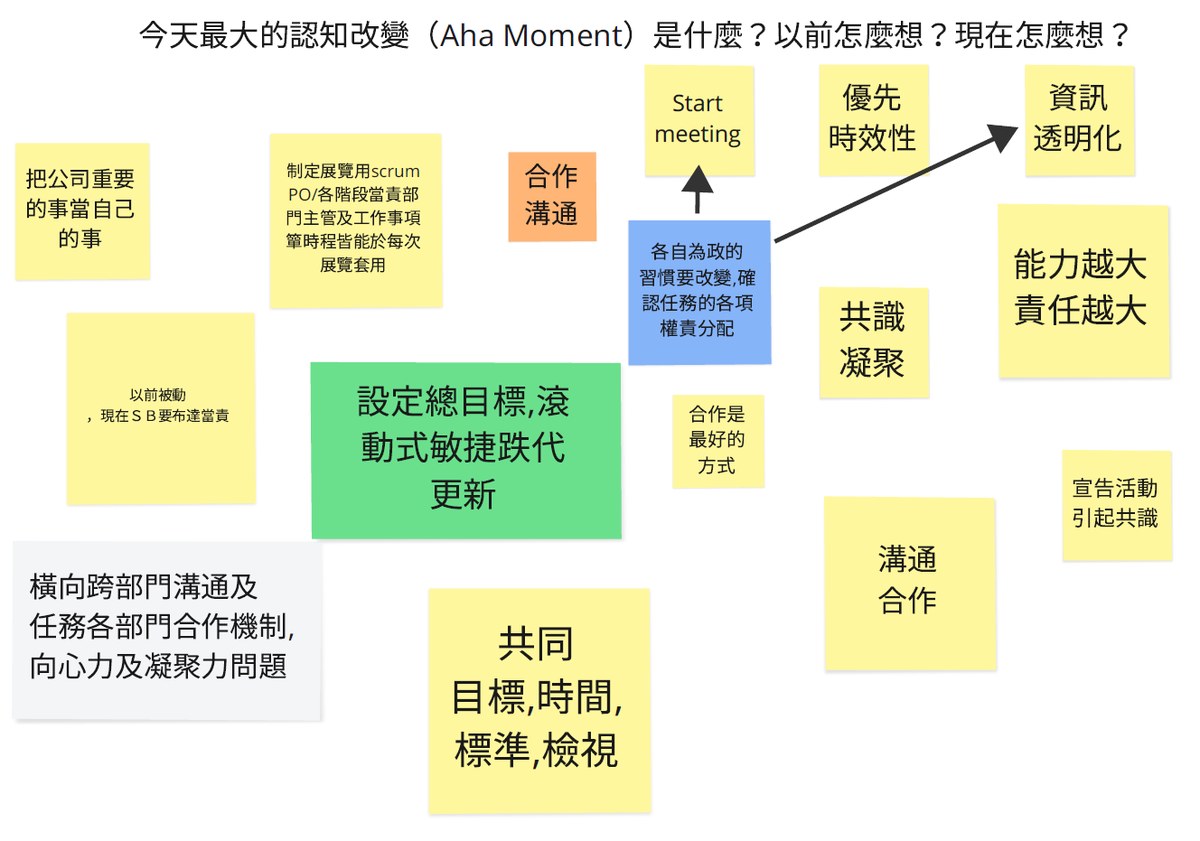
I called a stop right there and had everyone write on a card: what I used to think, and what I think now. By the time the whiteboard filled up, the two words written biggest, and most often, were: accountability.
I didn’t teach that. They wrote it themselves.
Case Two: Clear Division of Labor Isn’t the Same as Successful Delivery
The second team took on a new product launch event. The department in charge threw itself in fully; everyone else largely assumed “that’s sales and marketing’s problem.” The event happened on schedule, but a lot of details got patched together at the last minute.
This team’s PO was a marketing manager. On stage, she did something I rarely see — she asked the GM, sitting in the audience, for authorization, on the spot.
“GM, can you authorize this? Can you hear me, GM?”
The room laughed. But it wasn’t a joke — what she wanted wasn’t power. It was a public declaration that someone now owned this.
That’s exactly how solution articulation gets built — not waiting for someone to assign you a task, but claiming it first, then asking for the resources to do it.
The GM’s answer was the line from the entire two days I most wanted to write down:
“Division of labor is a means, not an end. The problem is that when you say ‘分工合作’ — division of labor and collaboration — ‘division’ comes first in the phrase, so that’s what everyone thinks about first. Collaboration is supposed to come first.”
In the past, a cross-department project only moved once someone was formally assigned and a memo was issued. From these two days forward, the order flipped: get the right people in the room first, agree on the shared goal, and only then divide up who does what.
And a Third: A Rush Order Stalled on “That’s Not My Section”
The third case was warehouse allocation. Sales took a rush order; the warehouse team checked, honestly reported no stock at their location, and the case stopped there. Days later, someone discovered another warehouse had it in stock the whole time.
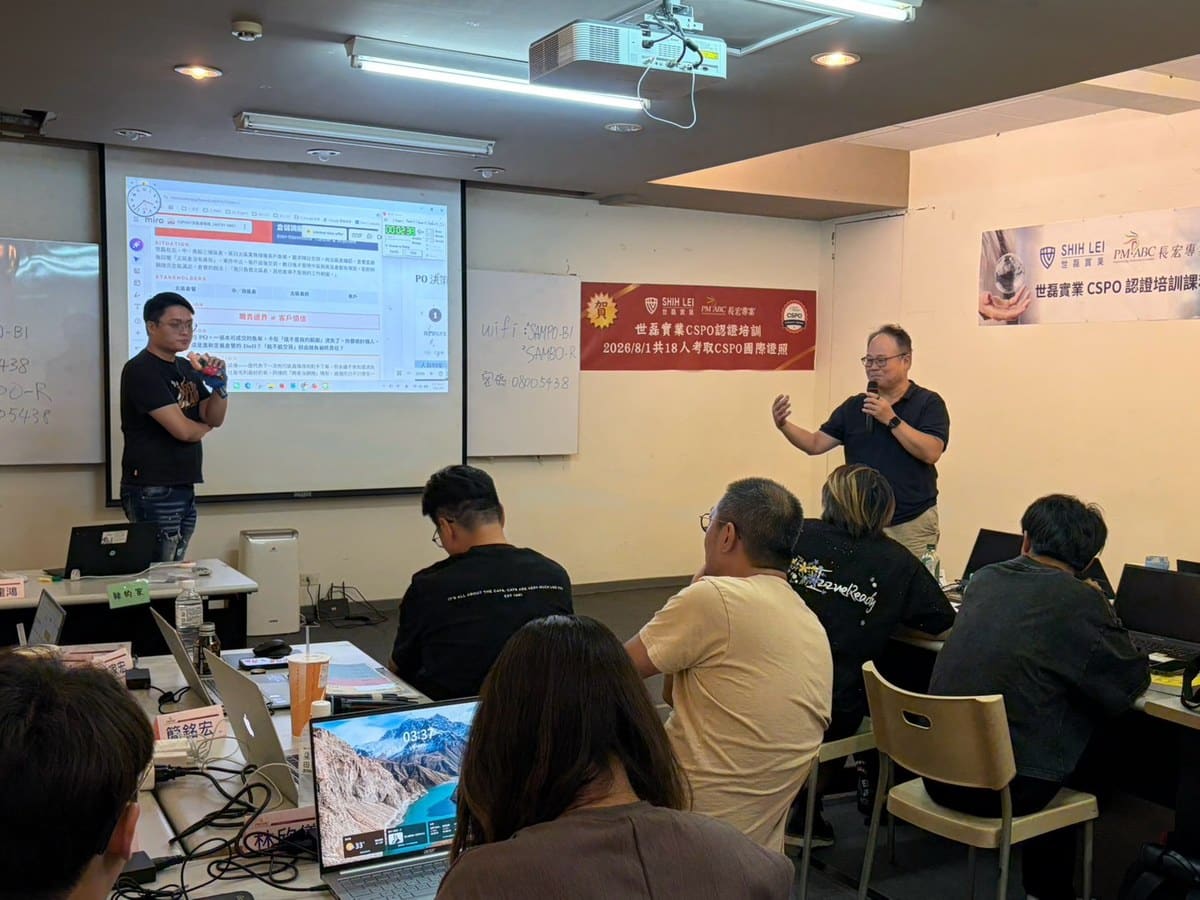
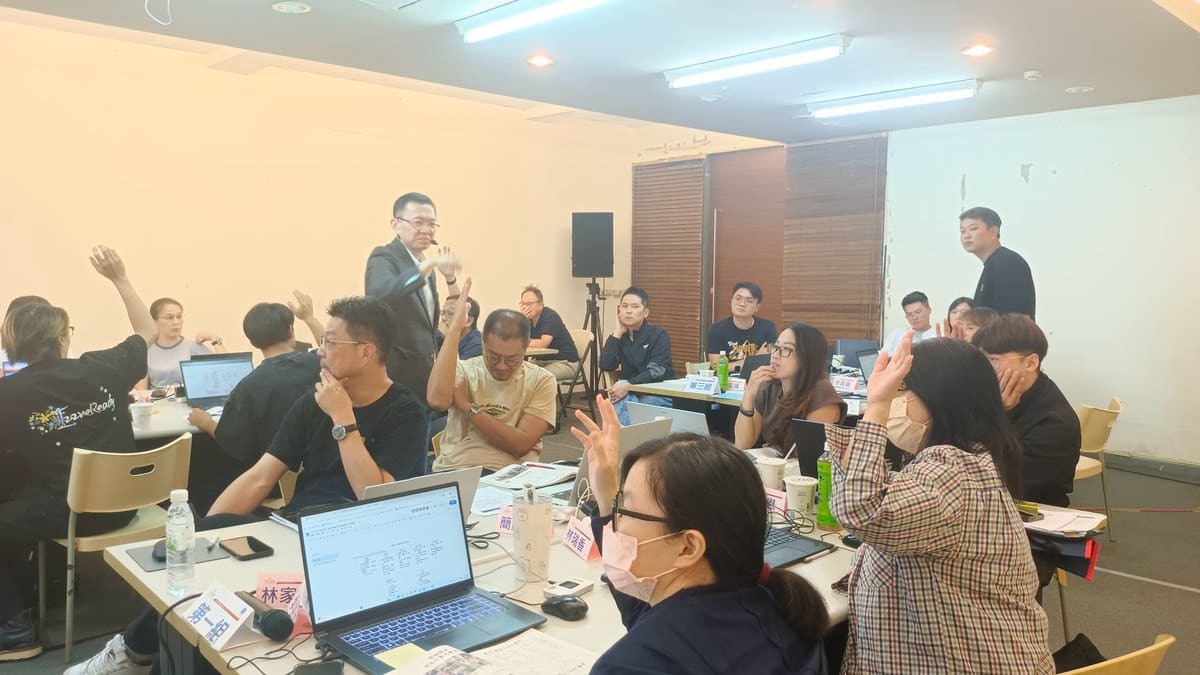
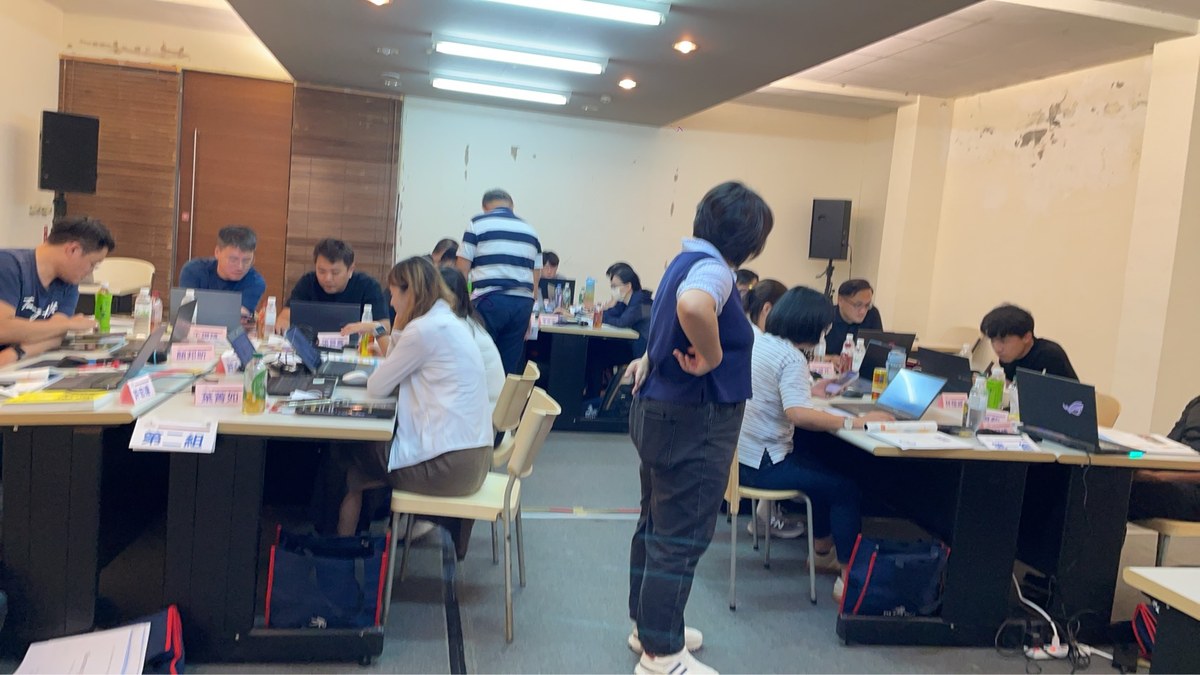
I deliberately designed this one as a pressure test: 12 minutes to discuss, 2 minutes to present, a surprise stress card pulled cold, then cross-examination from two other teams wearing “stand-in GM” role cards. Only after surviving all of that did the real GM step in.
When it was GM Hsieh’s turn, he asked the same question twice: “If the stock was there, why wasn’t it transferred?” Both times, the PO sidestepped it, answering instead with “it won’t happen again.”
He didn’t push a third time. Instead he offered an analogy I still use today:
“There’s always a gap somewhere in a team’s defensive line. When the ball gets hit there, what do you do? Someone has to cover it. If your goal is for the team to win, you already know you need to cover that gap — you won’t waste time arguing about whose job it was.”
Then he said something I didn’t expect: “I don’t just care about the Shih Lei brand. I’m a brand too.”
Customer value comes before the boundaries of your job description — a principle that, two days earlier, was just a line in a casebook. Two days later, it was a shared standard eighteen people now used to make decisions.
That was a GM demonstrating what accountability actually looks like — not demanding it from others, but stepping into that position himself, first.
What Happened at 2 A.M. After Day One, I Didn’t See Coming
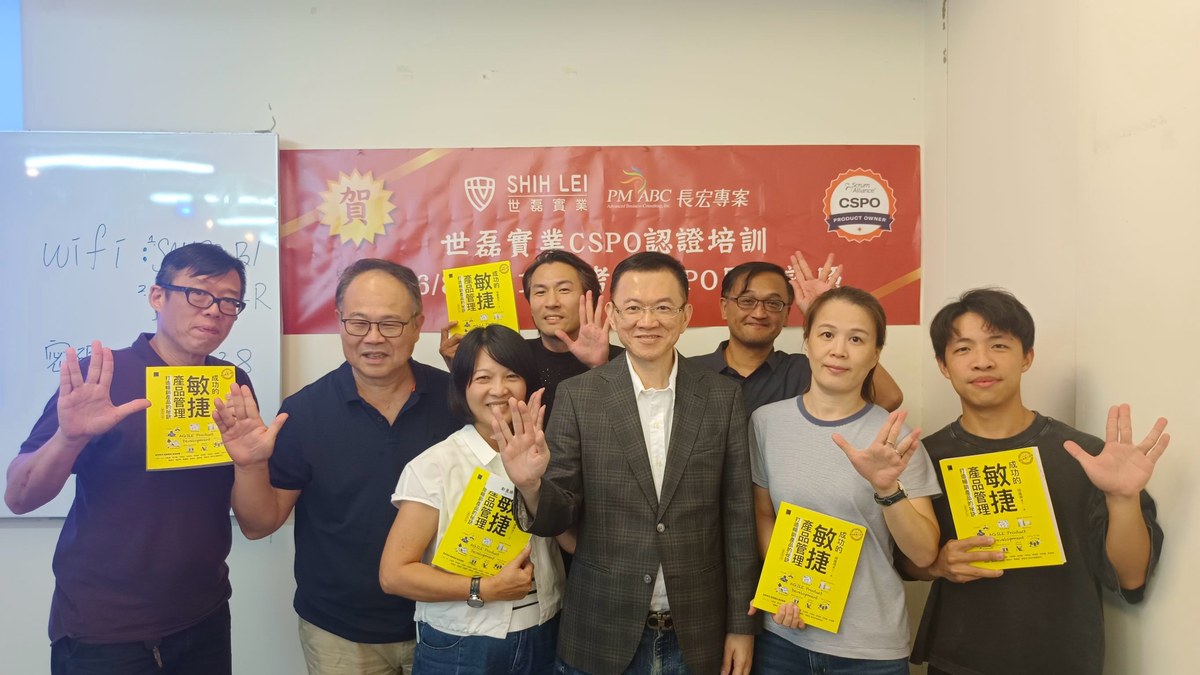
Before day one ended, I told everyone about “the whole team goes in together, the whole team comes out together” — this class isn’t measured by who passes fastest. The class only “graduates” when the last person passes.
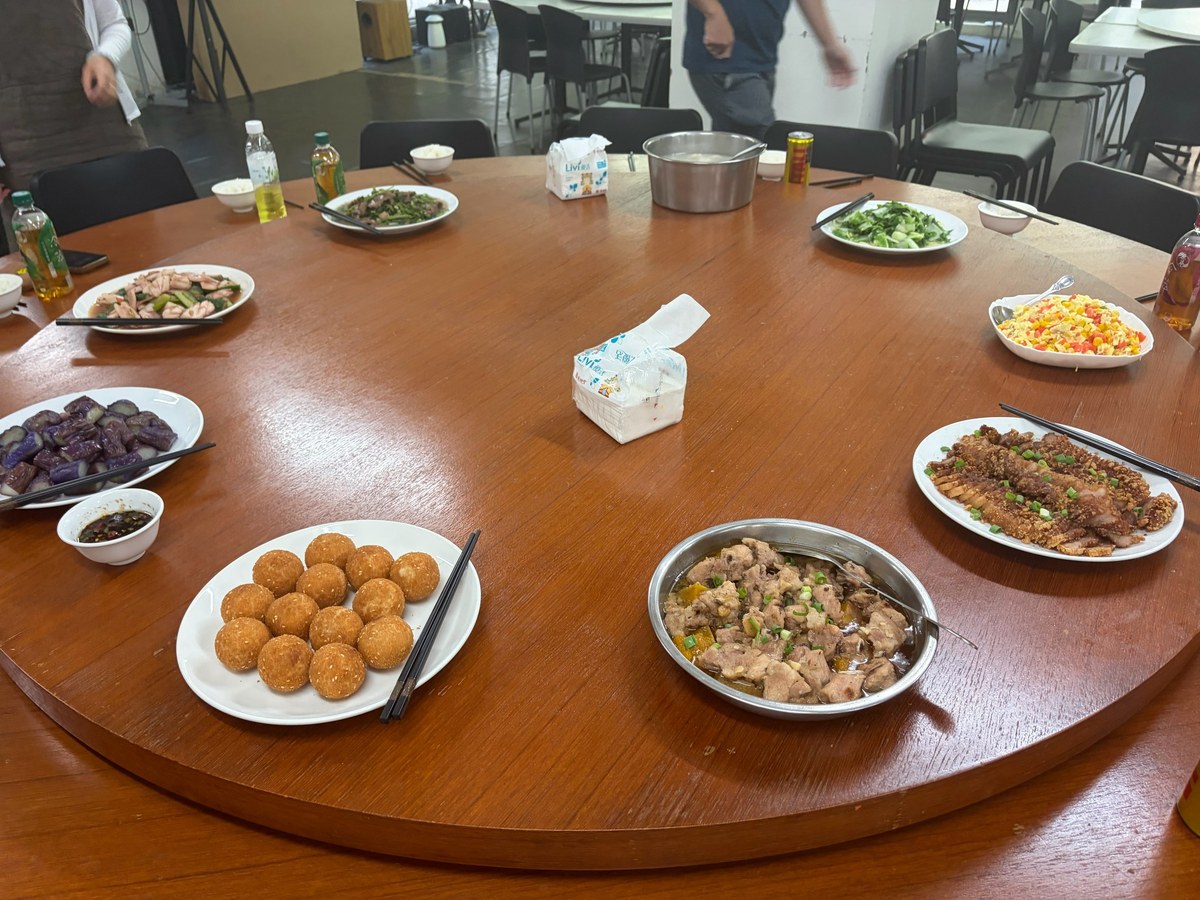
At 8:30 the next morning, I walked into the classroom and the mock-exam sign-up sheet was already full. Someone told me that the night before, everyone had gathered around the round tables in the restaurant, drilling practice questions together until 2 a.m.; one technical manager had taken the exam ten times.
Honestly, I’ve run hundreds of corporate training programs. This is the most driven group of managers I’ve ever seen.
I told them straight what I was thinking: you could take it easier — I never said you couldn’t help each other. But 2 a.m. was never really about the score. What they were pushing through wasn’t the exam. It was not wanting to be the reason someone else became “the last one.”
The whole-team-in, whole-team-out spirit started that first night, at those round tables in the restaurant.
He Added NT$30,000 Out of His Own Pocket — And It Wasn’t About the Money
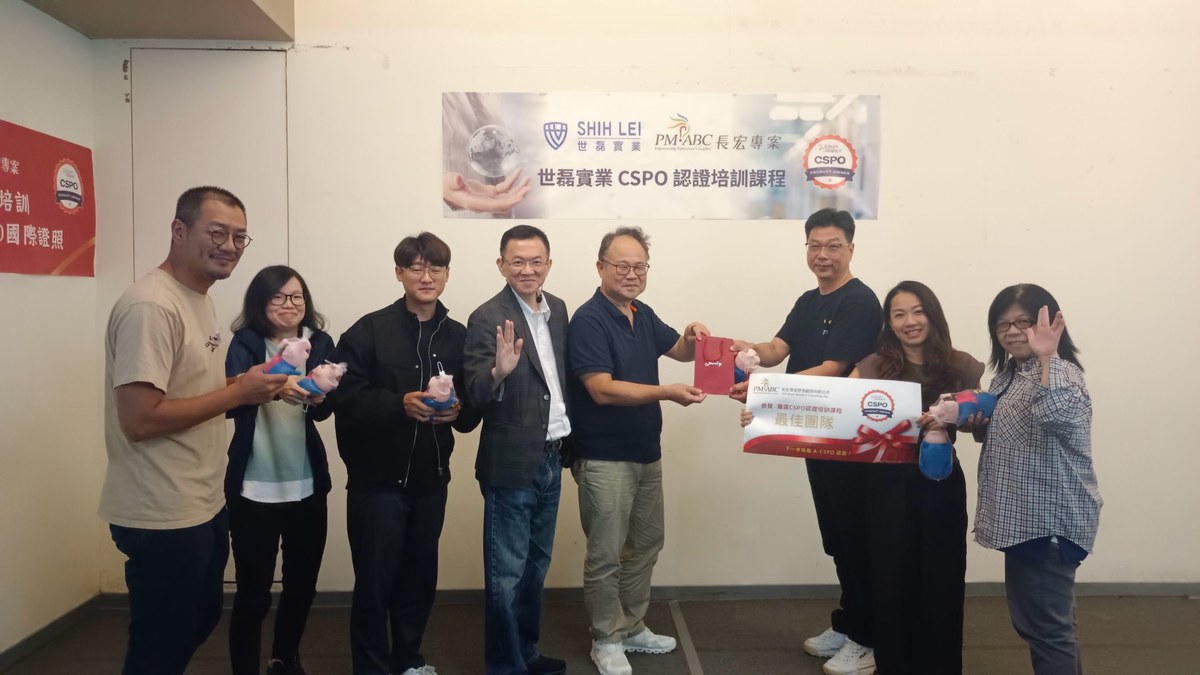
Before day one ended, the GM was genuinely moved by how invested the whole class was, and on the spot added an extra NT$30,000 team bonus for the winning team.
The scene backstage was its own small story: they needed a red envelope for the cash, fast. Someone grabbed a white one first — rejected immediately. “Not white, that looks like a funeral gift.” They found a red one instead.
I’ve run corporate programs for years. Plenty of GMs sit through the whole class. GM Hsieh is the first one I’ve seen personally pay for a team bonus, on the spot, out of his own pocket.
The money wasn’t the point. The point was that on day one, the boss had already said, through action: I see how much you’re putting into this. That’s more real than any culture campaign.
I Added the Basement to My Do-Not-Train-Here List
If I only wrote the good parts, that wouldn’t be my style.
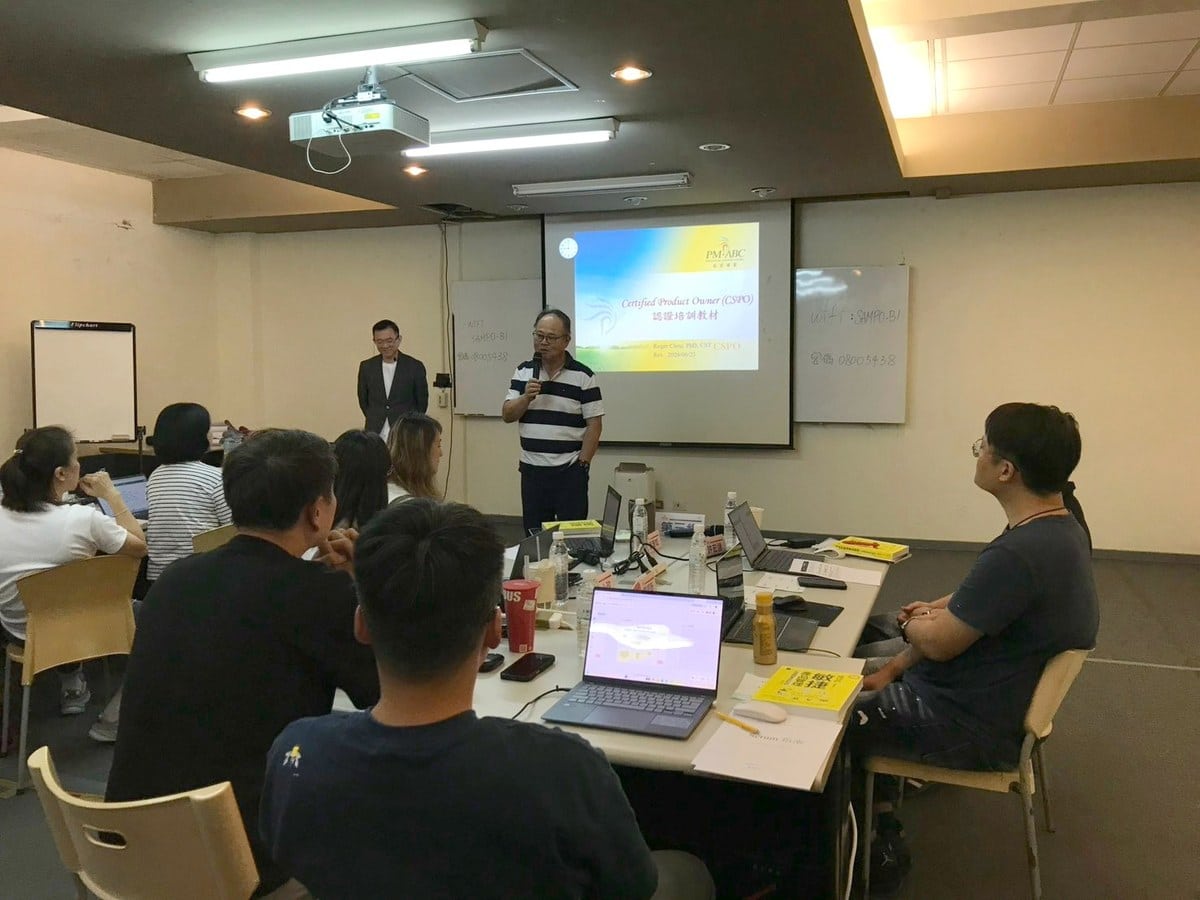
The training was held at Sampo’s training center. The food was good — every single meal was different, and I even learned how to upgrade a bowl of rice with soup poured over it. The lodging felt more like a dorm, but that was exactly why the GM chose this venue: he didn’t just want a classroom. He wanted a group of managers, normally scattered across the north, center, and south of Taiwan, to actually spend an evening under the same roof.
The problem was the classroom was in the basement.
Two full days of the program depended heavily on connectivity — Miro boards, online mock exams, online certification, all of it required a live connection. The basement signal cut in and out all day; some people used their phone hotspots, others walked up to the first-floor restaurant to connect. That’s on me — I didn’t test the venue’s network risk before the class started.
I apologized to the whole class on day two, and turned it into a teaching moment on the spot — this is exactly why a PO has to define “done.” I thought “done” meant booking a classroom. It actually meant “learners can get through the class without friction.” Get the definition wrong, and you’re stuck patching holes later.
Starting with this class, basement classrooms are now officially on my do-not-train-here list.
Closing: Culture Isn’t Announced. It’s What People Are Pushed Into Saying Out Loud.
Over these two days, I didn’t actually teach a class on “accountability.”
What I did was four things: first, build value judgment, problem analysis, prioritization, cross-functional alignment, and solution articulation into a shared language for eighteen people. Then let the GM put his own hardest problems on the table and force them to break those problems down using that language. Then have the managers cross-examine each other. Finally, after each person had been pushed to the point of not having an answer, have them write it down on that card, themselves. The two biggest words on the whiteboard were words they put up there themselves.
The GM closed by saying he expects to see all three projects completed by year end, each one carried through by its PO and team. Over the next four weeks, everyone owes a 30-day action plan — not a reflection essay, but seven columns: the problem I observed, its impact, my initial analysis, my proposed solution, who I need to collaborate with, my first concrete step, and the risks and backup plan. Accountability moves from a two-day classroom into four weeks with a structure you can actually track.
I’ve seen this same wall in other industries. A major telecom’s problem was that every unit had its own KPI, and their decision-making language never lined up. A publisher’s problem was that its managers could execute, but their prioritization and judgment hadn’t caught up yet. Underneath it, Shih Lei’s three cases are the same thing — every company moving from “individual heroics” to “organizational capability” first has to give a group of managers one shared language.
He also said something I loved — you wouldn’t want to spend your youth at a company that isn’t good enough yet. So let’s make it good, together.
That’s also why I insist senior executives sit in the classroom themselves in these corporate programs. Mid-level managers can finish a course and go back to find they can’t move the needle on their own — but when the boss writes the case himself, cross-examines people himself, and pulls out his own money for a bonus, the managers know this is real.
Shih Lei is already the #1 premium kitchen appliance brand. You can keep improving the product, but you’re still #1. What actually widens the gap is culture — one person willing to take an extra step into the gray area, becoming a group of people willing to do the same.
In the past, “that’s not my job” was an acceptable thing to say. From these two days forward, at Shih Lei, it isn’t anymore.
If you’re a leader and something in this piece just hit close to home, that’s not a flaw in how you manage. It means your organization is still missing a space designed to make accountability unavoidable. I’ve walked a number of companies through exactly this. If you want to talk about where your organization is stuck, come find me directly.
Appendix: Testimonials from Shih Lei’s CSPO Manager Program
Wei-Hsiung Hsieh / General Manager, Shih Lei Industrial — Closing Remarks
Two days of CSPO training were intense, but I believe this isn’t just the end of a learning session — it’s the beginning of organizational change.
My thanks to the instructor and everyone who took part. Over these two days, everyone invested real time and effort, and worked through real case discussions and exercises. What we learned here shouldn’t stay in the classroom — it needs to go back to the floor and show up in every project and every day’s work.
I’d like the three projects we worked through in this class to keep moving, each one carried forward by its PO and team. I hope to see all three completed by the end of this year, so this learning genuinely turns into results for the organization.
I also want to share three hopes. First, that everyone keeps building a habit of self-improvement back at work — getting a little better every day, making growth part of the job. Second, that everyone stays customer-centered, thinking about how to deliver better service and value from the customer’s point of view. Third, that we keep working together to grow the company, moving toward our vision and goals, and becoming a stronger organization.
Manager Lin / Deputy GM, Sales
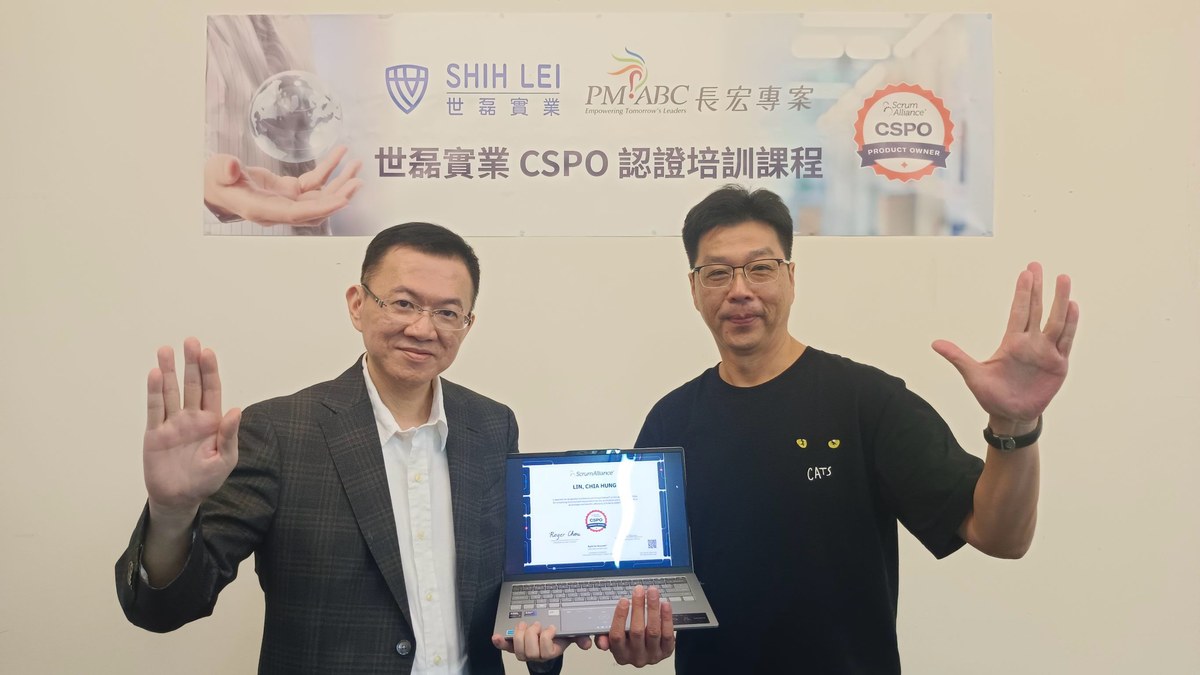
After two days of CSPO, my biggest takeaway is that this wasn’t just training — it was the start of rethinking how we work. Why would the company invest this much to send managers to a two-day program? I eventually realized: the real goal wasn’t a certificate. It was starting organizational change with us.
The course built scenarios close to our actual work, putting us face-to-face with challenges we deal with right now. Cross-department collaboration, owning outcomes, moving toward a shared vision — none of it was theoretical. Through exercises and discussion, we learned how a PO uses tools and methods, takes the right position to think through a problem, and communicates and coordinates resources effectively to move things forward.
I think these two days were only phase one — the real learning starts once we’re back on the floor. I already have a cross-department improvement initiative ready to launch, applying the PO thinking and methods from class to shorten process wait times, and I’ll keep tracking the results. I believe the course’s value only proves itself once we actually start executing.
More than that, I want to bring this way of working back to my team, gradually shift how colleagues think, and even change how the whole organization collaborates. When everyone is willing to start from a shared goal, proactively work across departments, and keep improving processes, the organization naturally changes for the better. CSPO’s value was never just the certificate — it’s a way of thinking and a method you can apply at work immediately, to keep pushing the organization forward.
Manager Hsu / Marketing Manager
First, my thanks to the instructor and my classmates — these two days of CSPO gave me a lot, including some insights I didn’t expect.
The course kept coming back to the spirit of “accountability,” but my biggest realization was that what matters most isn’t the tool or the method — it’s whether the team shares the same goal and belief. When everyone agrees this is worth doing together, AI tools, KPIs, any management method — they’re all just means to get there, never the goal itself.
This class also made me rethink something: change doesn’t need to wait for someone else to start it — it should start with me. Organizational culture won’t change overnight, but if everyone keeps moving toward a shared goal, keeps adjusting, keeps improving, we get closer to the outcome we want, one step at a time.
I also valued the group discussions. Talking with colleagues from different regions and different roles showed me perspectives I hadn’t considered, and helped me understand the challenges they face. Those cross-department, cross-discipline discussions stretched my thinking — and convinced me that only by building more collaboration and communication can a team’s efficiency, and the organization’s competitiveness, actually improve.
Manager Shen / Sales Supervisor
My thanks to the company for this opportunity, and to the instructor for two days of guidance. These two days completely changed how I understand the word “accountability.”
I used to associate accountability with pressure — like it meant “something went wrong, someone has to take the blame,” which made people resist it instinctively. But in a sales role, I’m constantly coordinating across departments and pulling resources together — a lot of the time, I’m already the person who has to step up and push things forward.
In past cross-department work, I sometimes wondered: why does it always feel like we’re the ones who have to carry it? This course made me reconsider — that question might itself come from a siloed point of view. Everyone carries their own responsibilities and pressure at their own position; the real question is whether we’re willing to step forward when someone actually needs to.
My biggest takeaway from these two days was redefining what accountability means. It shouldn’t be a burden — it’s a choice, a willingness to face a problem head-on and push for change, so things move in a better direction. Real accountability isn’t complaining after something goes wrong — it’s being willing to step up when it’s needed, and work with the team to find a solution. I want to bring this redefined sense of accountability back to work, starting with myself, and bring more collaboration and positive influence along with it.
Manager Hsu (Sales) / Sales Manager
Beyond the product management and practical methods I learned in CSPO, my biggest takeaway was rethinking my own sense of responsibility toward my work, my team, and the company.
Over these two days, the instructor walked us through plenty of concepts and tools, but what I most want to share is an internal shift. I’ve come to believe that when you treat the company like your own home, and its problems like your own problems, you start solving things differently.
In the group discussion, our team was assigned the warehouse scenario, which brought back a memory from a past product launch. Back then, the company hadn’t finished setting up the incoming-goods process, so to keep the product moving, I personally drove from Taichung up north to the supplier to pick up stock myself, then coordinated with the relevant teams to finish the rest, so the product could reach the stores for installation as quickly as possible. In the end, that effort genuinely helped the company land a strong result. Looking back, I realized that when everyone is willing to think from the company’s overall perspective, instead of only their own department and role, things move much more smoothly. In cross-department work, when both sides think “this is the company’s problem, and it’s my problem too,” communication gets more efficient, and there’s less unnecessary resentment.
I believe organizational culture change has to start with each person’s mindset. When people feel more ownership of the company, and are willing to share the burden and solve problems together, the team naturally becomes more cohesive.
Manager Chang / Deputy Manager, Technical Service
In leading teams, I’ve always cared about getting things done right and taking on responsibility. But the accountability this course talked about made me reflect: accountability isn’t just about finishing your own tasks — it’s about how you influence your team, so people are willing to share the load and move toward a shared goal together. I once went through a phase where I wanted things done so well that I ended up taking almost everything on myself, thinking that if I just did a little more, it would get done. Over time, it wore me out — and it may have taught the team to depend on one person, instead of building a real culture of shared ownership.
Later, leading teams across different regions, I started thinking that the real point isn’t telling colleagues “you need to be accountable too” — it’s the manager modeling it first, showing the team what ownership looks like through action. In cross-department work, I often remind my team that the company’s results were never something one department could produce alone. Sales, technical, logistics — every unit is part of creating value together. Revenue isn’t just sales’ job; product quality, service experience, and customer satisfaction are tied to everyone’s work.
When we’re willing to think from the whole company’s perspective and proactively help other teams solve problems, instead of thinking “that’s not my job,” the organization can actually build real collaborative strength. Going forward, I want to keep bringing this spirit of accountability back to my team — not just modeling it myself, but using my own actions to help more colleagues grow, and build a better organizational culture together.
Manager Lin (Technical Service) / Supervisor, Technical Service
Earlier in my career, I was heavily influenced by a senior colleague, and a lot of how I worked was essentially copying his approach. He once told me, “Don’t be like me — it’s exhausting.” At the time I didn’t really understand what he meant, until I took over different regional teams this past March and finally felt what he was talking about.
When we’re handed a task, we usually want to do it as well as possible, without causing problems or letting the team down. So often, when something gets hard, we choose to carry it ourselves. But in actual management, I found that when a manager gets used to carrying everything alone, it doesn’t just wear them out — it also makes it hard for the team to actually grow. I slowly came to understand that what matters more is making sure the team knows the company’s success is tied to every one of them.
Through this course, I came to see that a manager isn’t just someone who completes tasks — more importantly, through communication, guidance, and delegation, a manager helps colleagues understand the value of their own work, so they want to step in on their own. When everyone buys into the company’s goals and understands that the company doing well is what lets the team do well — and each person grow along with it — that’s when a real positive cycle can form.
Manager Hsu (Merchandising) / PM, Merchandising
First, my thanks to the company for this opportunity — two days that let me rethink product management, teamwork, and cross-department collaboration.
The course covered plenty of concepts and tools that are genuinely useful for anyone managing, coordinating projects, or working across departments regularly. Whether planning work, pulling resources together, or communicating with other teams, the methods from class helped me think through problems more systematically and push work forward more efficiently.
For me, the biggest takeaway wasn’t just learning a method — it was understanding the real importance of empowerment. I believe that when every manager puts this thinking into practice in how they manage and collaborate, it doesn’t just improve efficiency — it builds a better culture of collaboration. I’m looking forward to putting this into practice, so the team keeps growing and we create greater value together.
Manager Lin (Southern Region) / Supervisor, Southern Region
First, my thanks to the company for this learning opportunity, and to the instructor for two rich, packed days of training.
My biggest takeaway from these two days was learning to look at problems from a different height, a different role, a different angle. The group exercises had us working on things outside our usual lane. I’m in sales, but in this class I ended up working through a repair-service scenario. I originally assumed repair work was just dispatching and closing tickets — but once we dug in, I realized it involves far more process, resources, and coordination than I expected.
That exercise taught me that when you’re willing to see things from someone else’s position, you understand what other departments are actually up against, and it’s easier to find solutions that really work. I believe that going forward, I’ll bring a different way of thinking and communicating into cross-department work.
Of course, the real challenge is putting it into practice. Two days changed how we think, but making these methods part of daily work takes time, continued practice, and mutual support across the team. I hope the company keeps building a stronger team culture and cohesion going forward — so that no matter which department or region someone is in, everyone can think from the whole organization’s perspective, not just their own scope of work.
Manager Wang / Supervisor, Central Region
My biggest realization from these two days is that work isn’t just about getting things done — it’s about thinking through what’s actually worth doing. In the past, each of us focused on our own responsibilities, and doing our part well felt like the job was done. This course made me rethink that — the point isn’t only doing things right, it’s first confirming you’re doing the right things, so every effort actually creates value.
That’s also made me reflect on what comes next: beyond completing tasks, I should be thinking about how to build shared understanding with the team, and communicate effectively so everyone understands the purpose and direction of the work. Because only when “why we’re doing this” is clearly communicated can a team move toward a shared goal, instead of everyone just finishing their own piece.
I believe that if a whole team can build a shared belief, think through every decision starting from value, and keep building consensus through ongoing communication, both cross-department work and daily work will go more smoothly — and the organization will keep improving.