Taiwan’s First: Bringing This Honor Home
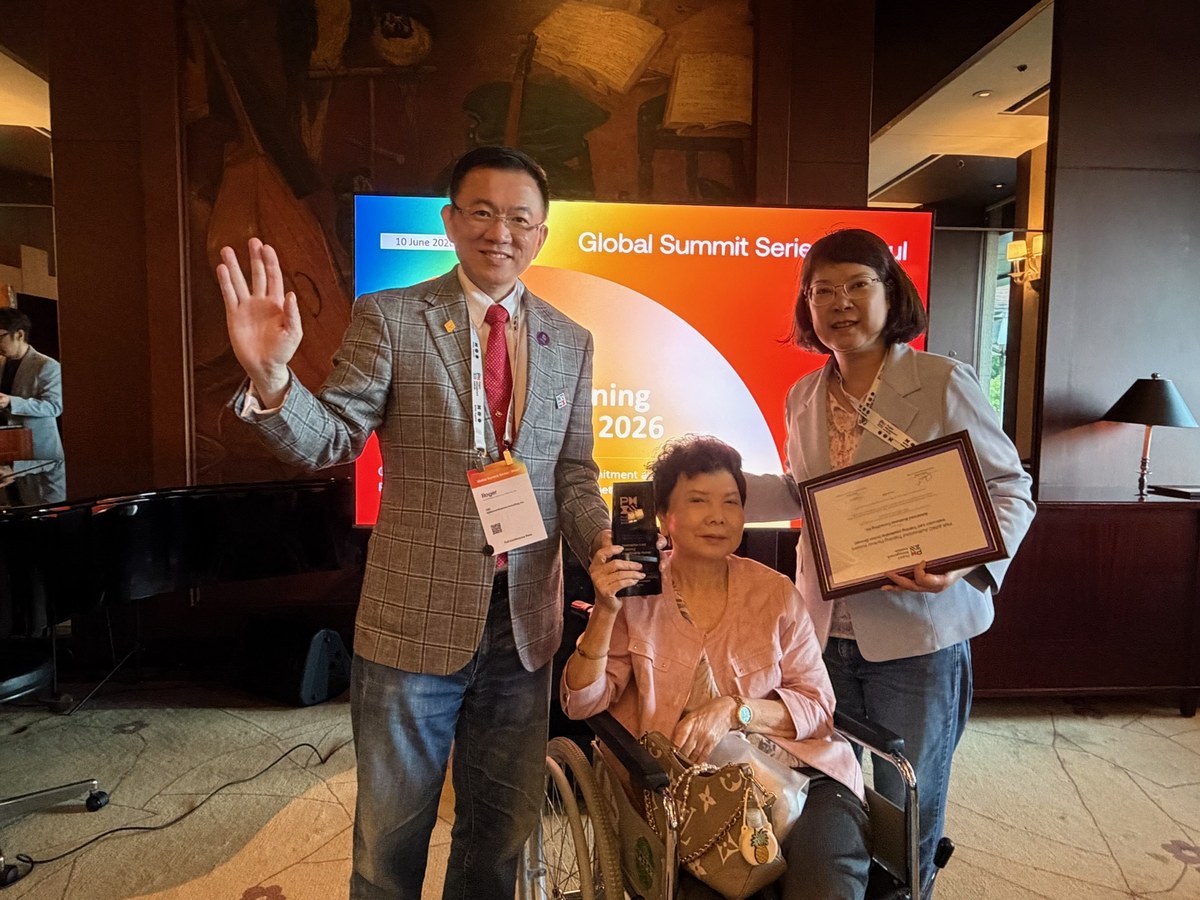
On June 10, I received the PMI Honors award at the PMI Global Summit Series in Seoul. Because the award came with a formal announcement and ceremony, I waited until the ceremony was complete before putting my thoughts together to share with you.
This recognition carries special meaning for me.
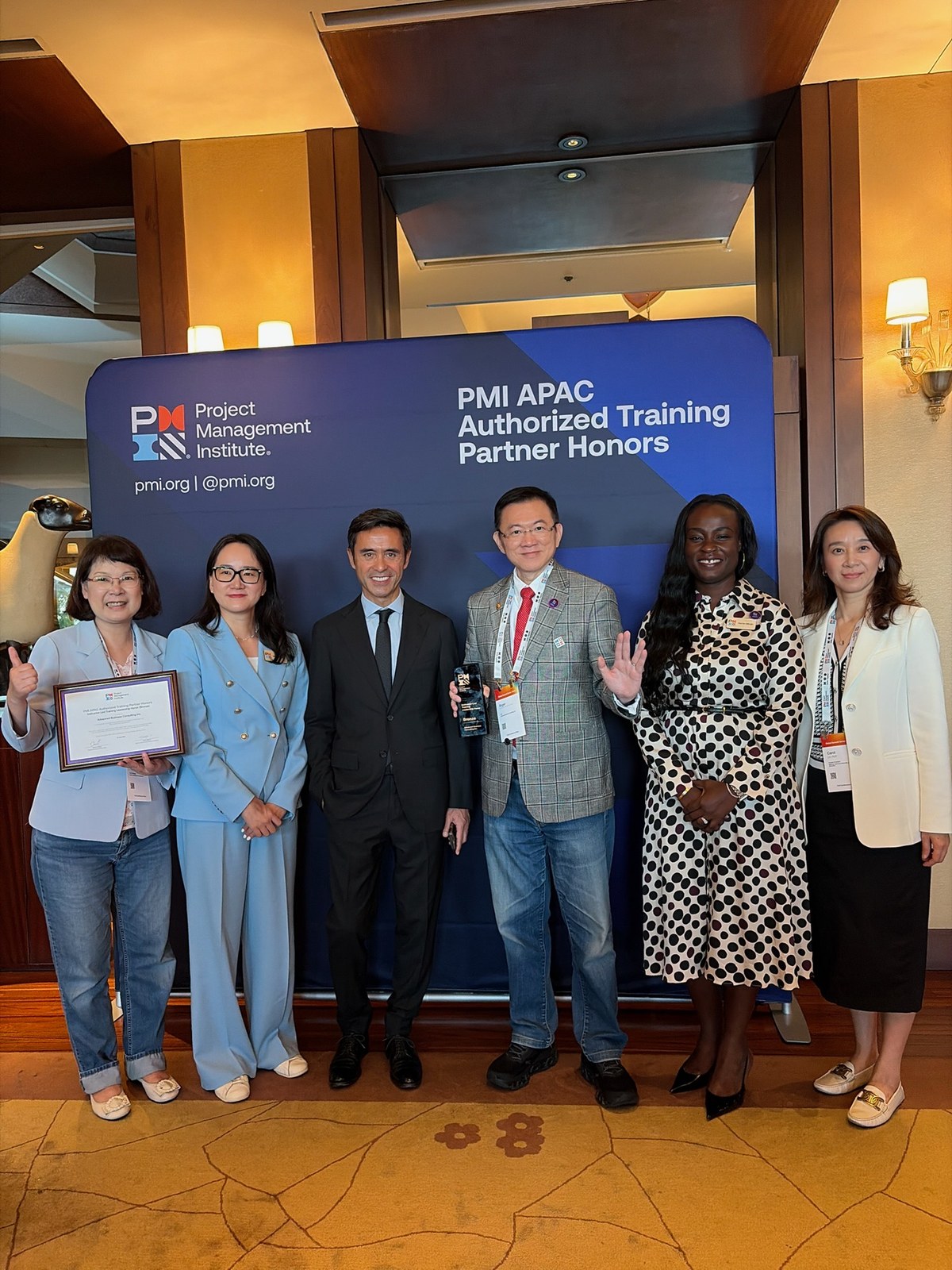
According to PMI Asia Pacific, of the 130-plus Authorized Training Partners in the region, only 11 received Honors — and among them, just three (Top 3) were named as exemplars of excellence in project management education. PM-ABC (Taiwan) stood among the Top 3. It is a rare and significant recognition. What I treasure most: this is the first time Taiwan has brought this project management education honor home.
At the ceremony, I spoke on stage on behalf of Taiwan. In that moment, there was really only one thing I wanted to say: this award belongs to Taiwan. I’m leaving the video of that moment here, to share it with you.
This Award Isn’t About Me Being Seen — It’s Taiwan Being Seen
Standing at the award ceremony in Seoul, my strongest feeling wasn’t “I am finally seen.”
It was: this award isn’t about me being seen — it’s Taiwan’s project and Agile community being seen by Asia, together.
I didn’t go up to receive this award alone. I stood on stage with Hsin-Yi Lin, President of the PMI Taiwan Chapter, and together we brought this honor home. Because this was never one person’s achievement — it’s the accumulated energy of an entire community in Taiwan.
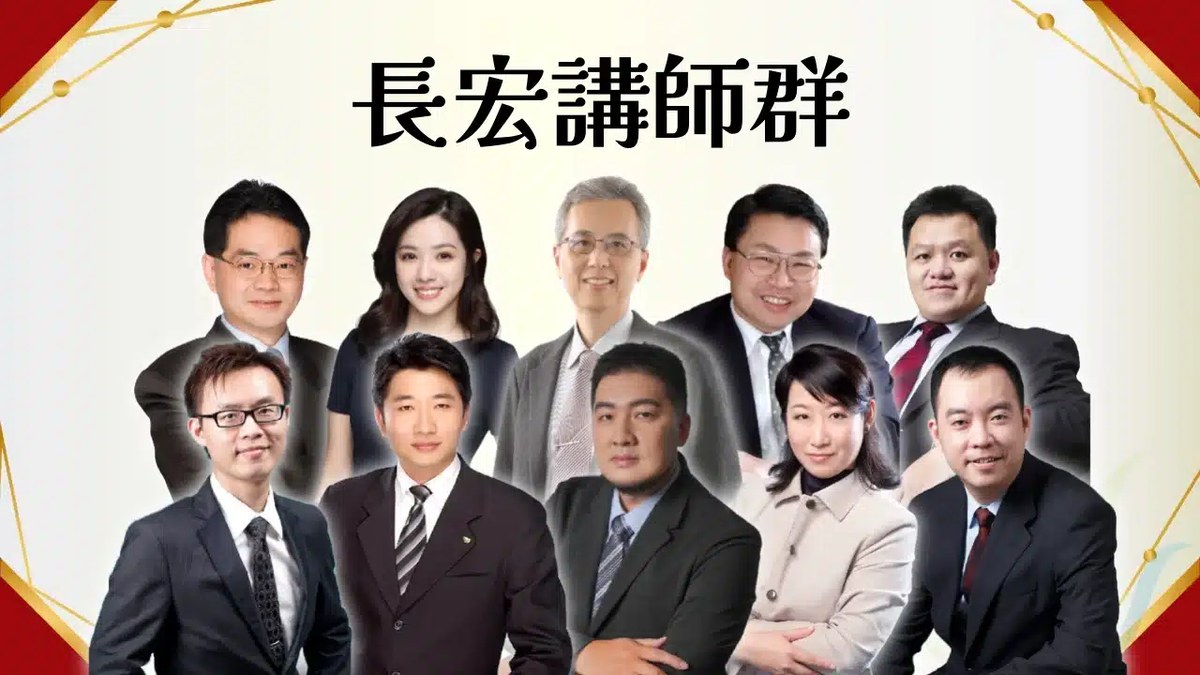
At the very core of that energy is the PM-ABC instructor team. I dedicate this award to the instructors who have stood shoulder to shoulder with me for years — 洪家祥, 林汶因, 徐光明, 羅正普, 袁明義, 何瑋, 伸達夫, 游儀欣, 戴劍文, 林家瑋, 石家源 — and to more than 300 PM-ABC coaches. Without their class-by-class accumulation, Taiwan would not be standing on the Seoul stage today.
In that moment, I thought of the many scenes Taiwan’s project management community has lived through over the past twenty-plus years. I remembered the early days of promoting PMP, when so many people re-understood project management through an international standard for the first time; I remembered student after student walking into the classroom on weekends, staying at their desks to become more professional.
In Taiwan, PMP Has Never Been Just a Certification
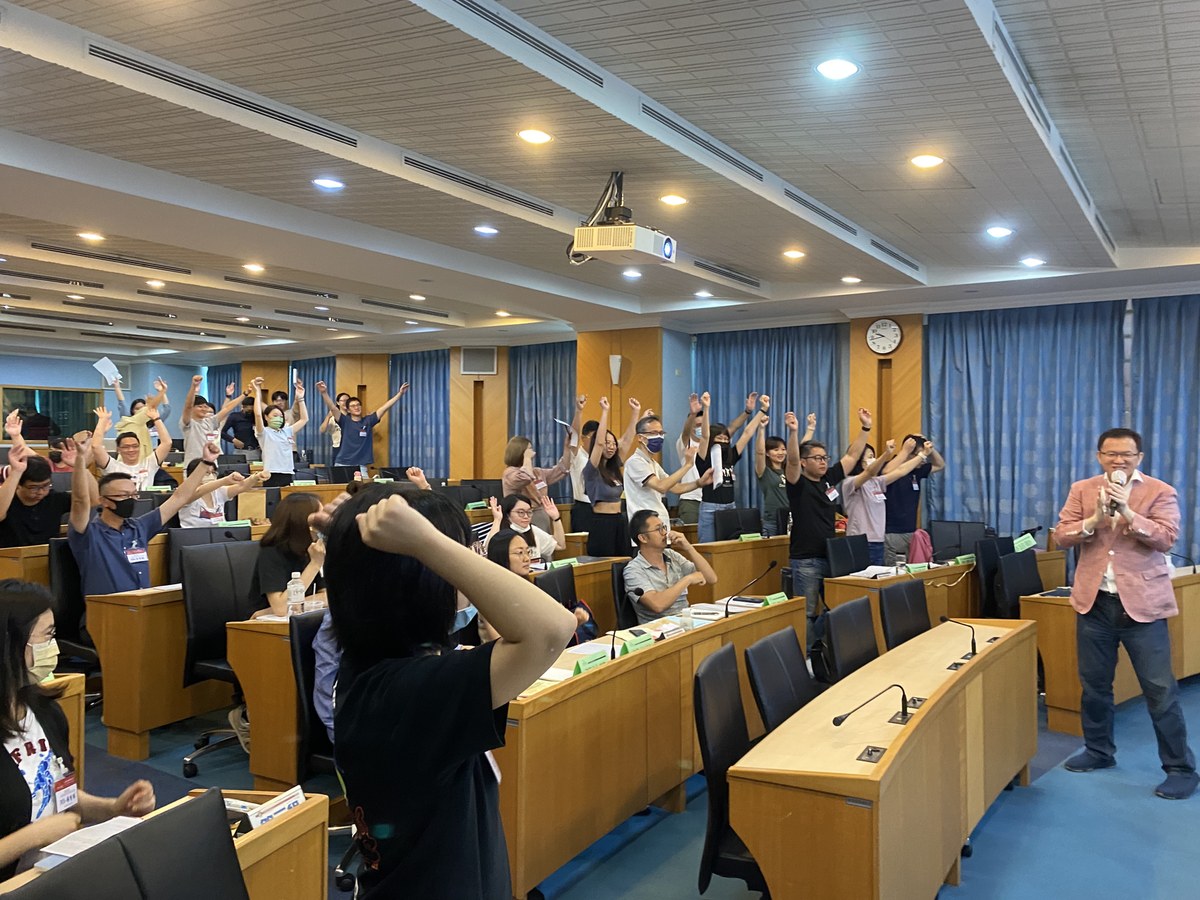
In Taiwan, PMP has never been just a certification.
It was the gateway through which an entire generation of professional managers upgraded their management language, international perspective, and career competitiveness. Through PMP, many people understood for the first time that a project is not just a schedule — it is the integrated management of scope, cost, risk, stakeholders, and business value.
Since founding PM-ABC in 2005, we have spent nearly twenty years in project management education, training more than 20,000 PMP-certified professionals — roughly 1,000 of whom went on to become CEOs or senior executives.
That is not just a number.
To me, it represents a talent pathway: engineers who became project managers, project managers who became department heads, and some who went on to become general managers, chairpersons — even the key drivers of organizational transformation.
So when I received this award in Seoul, I knew very clearly that I was not standing there alone. Behind me stands the professional energy Taiwan’s PMP community has built over decades, and the shared stories of students who walked from project management into the executive suite.
Talking with the World: Taiwan’s Strength Deserves to Be Seen
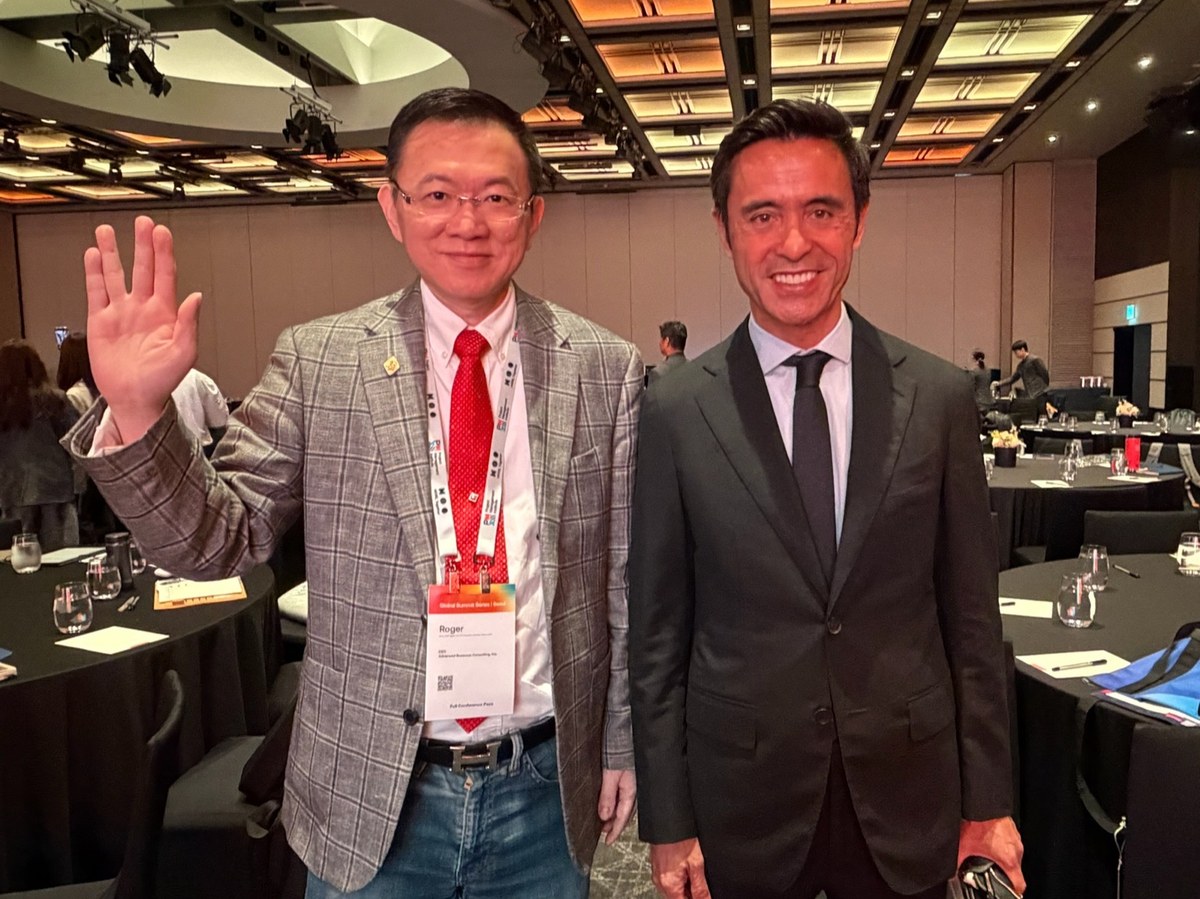
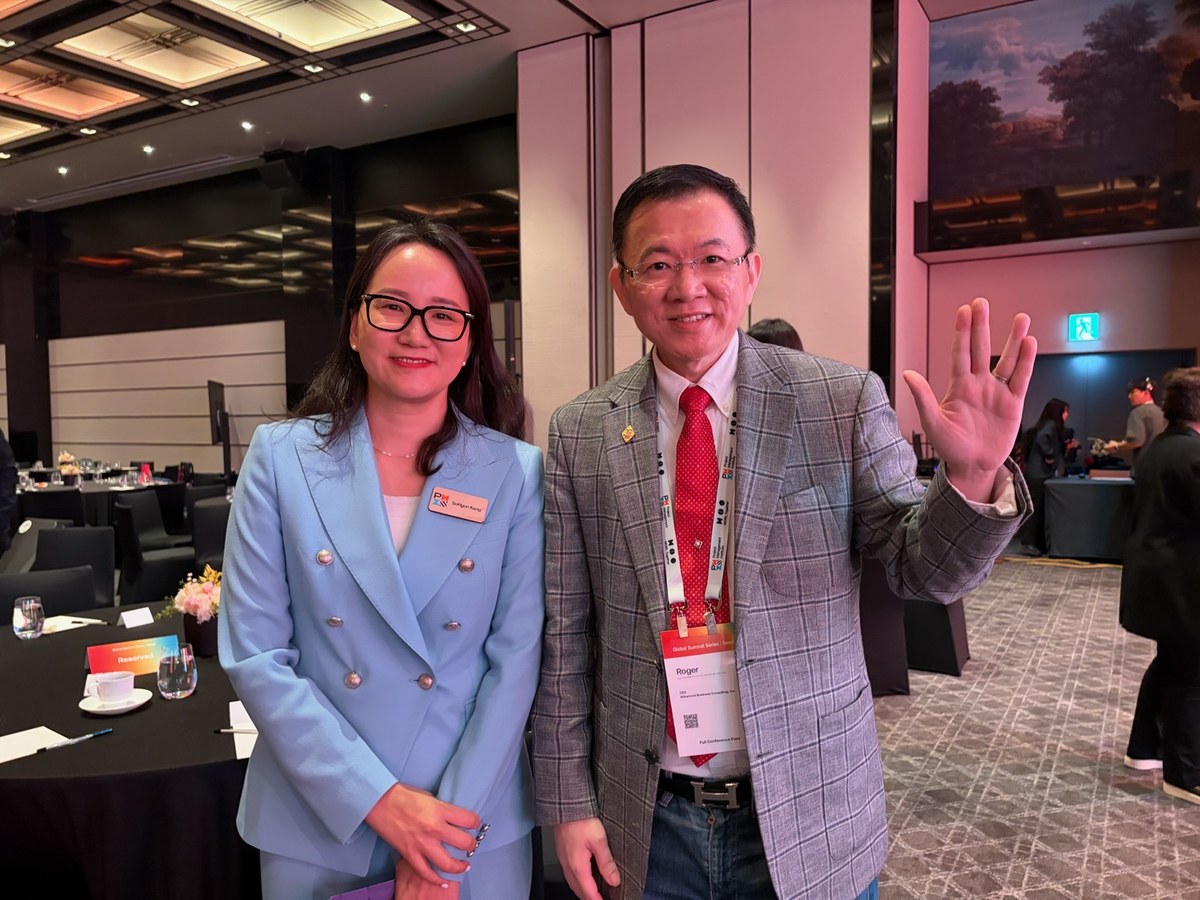
On that same stage, I had the chance to speak face-to-face with PMI Global President Pierre Le Manh and PMI Asia Pacific Managing Director So-Hyun Kang. When the top decision-makers of an international organization recognize Taiwan’s work in project management and Agile education, one thing becomes even clearer to me: Taiwan’s strength deserves to be seen by the world.
Times Have Changed: From “Executing the Plan” to “Creating Value in Uncertainty”
But times have indeed changed.
In the past, companies valued “executing the plan well.” Today, what they need is “learning fast, adjusting fast, and creating value fast in uncertainty.”
Project success used to be defined as on time, on budget, on scope. Today, real success depends more on: Did we build the right product? Did we solve a real customer problem? Did we make the organization capable of continuously adapting to change?
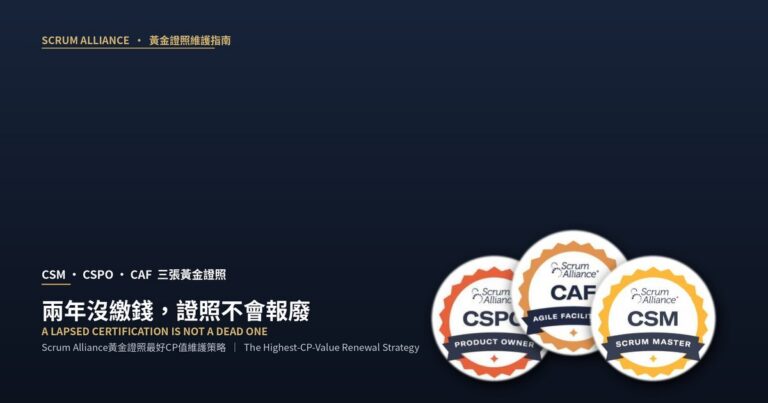
That is why I later went all-in on Scrum, becoming Taiwan’s first — and only — Scrum Alliance Certified Scrum Trainer (CST), and why I keep driving CEO CSM, CSM corporate classes, and CSPO corporate classes.
Looking at the certifications side by side, I have been fortunate to reach a rare position: in 2008, I became Asia’s first PgMP (Program Management Professional); in 2026, I earned PMI’s highest-level PfMP (Portfolio Management Professional); add to that Taiwan’s only Scrum Alliance CST. But to me, these titles were never achievements. They are responsibilities.
I have always believed: with great power comes great responsibility.
Because one thing keeps becoming clearer to me: PMP is where Taiwan’s professional managers start, and Scrum is the next station for enterprise Agile leadership. And Agile’s real next station is the executive decision table.
“What Needs to Change Isn’t the Team’s Process — It’s How We Executives Make Decisions”
In one corporate CSM class for senior executives, I watched a leader who initially thought Scrum was just “a way to make team meetings more efficient.”
After two days of experiential learning, he was quiet for a while, then said something that has stayed with me:
“What really needs to change isn’t just the team’s process. It’s how we executives make decisions.”
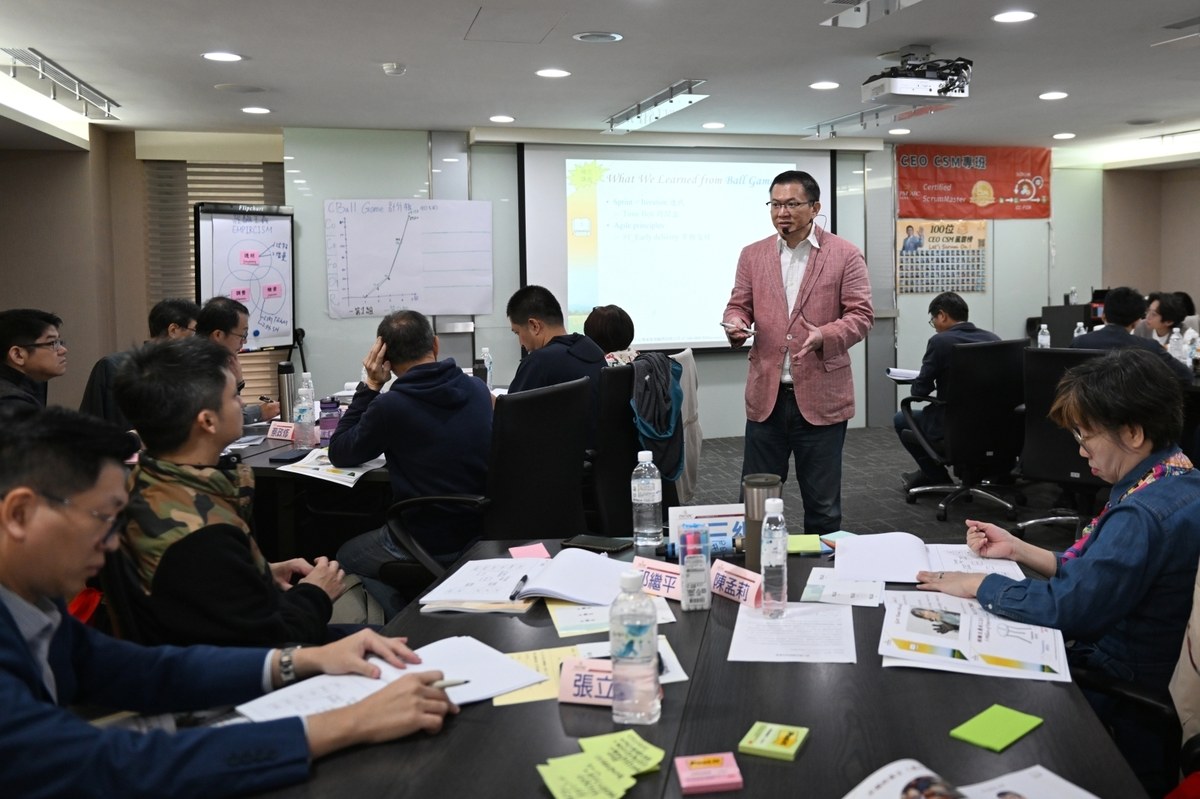
That moment hit me, because this is exactly where most corporate transformations get stuck.
Agile is not about holding more meetings, sticking up more sticky notes, or renaming departments to Squads and Tribes.
The truly hard questions are: Are senior executives willing to make information more transparent? Willing to review results in short cycles? Willing to admit the market changes faster than the plan? Willing to move resource allocation from annual-budget logic to value-and-learning logic?
These questions are the real battlefield of enterprise Agile transformation.
When executives start seeing Agile this way, Scrum stops being a team-efficiency tool and becomes a management capability that improves decision quality, shortens learning cycles, and reduces bad investments.
Without Product Thinking, a Finished Project Creates No Value
I have never believed PMP and Scrum replace each other.
PMP gives us the foundation for managing complex projects; Scrum lets us keep creating value in uncertainty. A mature company cannot run on planning capability alone, nor on Agile slogans alone. What it needs is: discipline built on project management, value defined through product thinking, and Scrum that lets teams deliver, learn, and adjust in short cycles.
This is the direction I most want to push: helping PMP professionals step into Agile leadership, and turning CSM and CSPO from certificate courses into a shared language through which senior executives understand value creation. CSM helps executives understand how Scrum changes collaboration; CSPO helps them see how product value, priorities, and business outcomes get redefined.
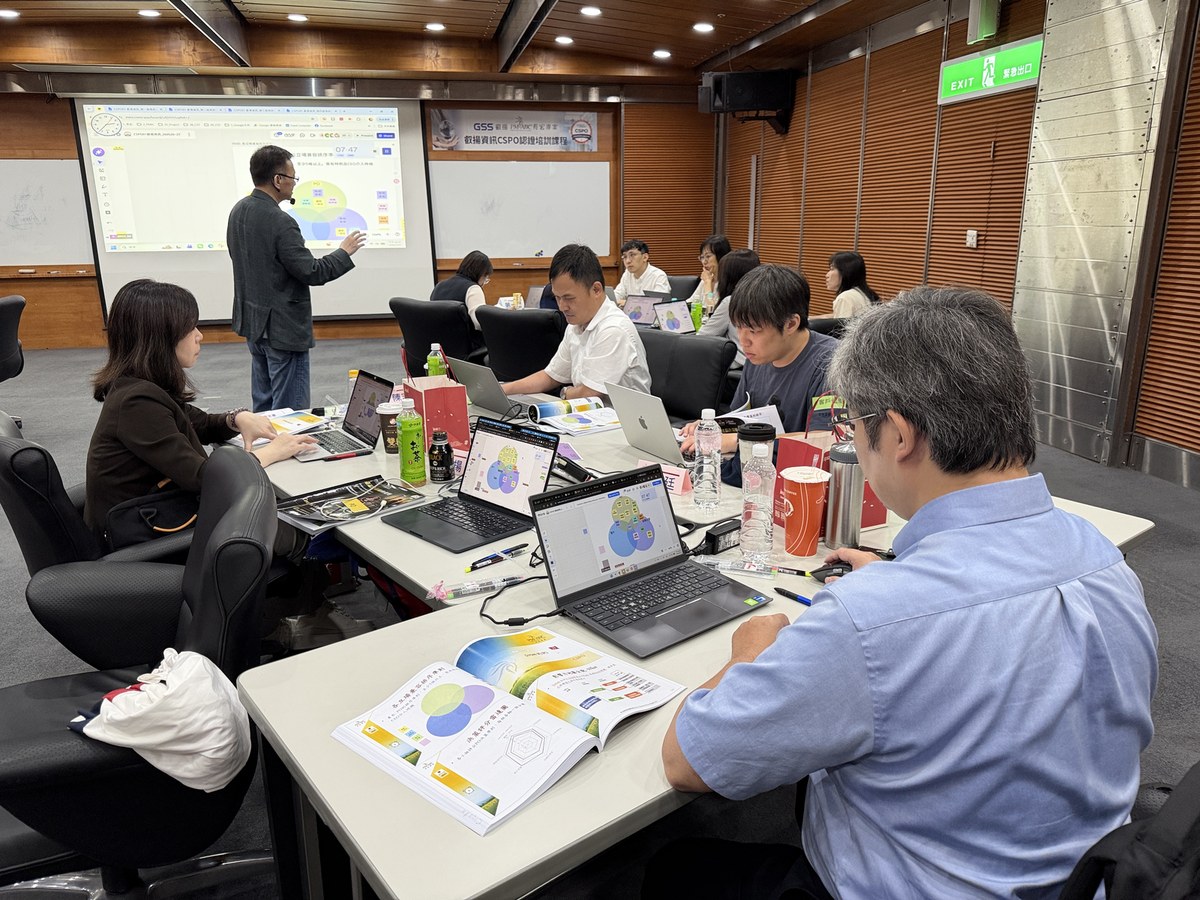
This matters enormously for companies, because the biggest challenge today is no longer “is the team working hard enough” but “is the organization investing resources in what truly matters.”
Without product thinking, companies finish projects without creating real customer value; they fill the backlog without answering what deserves to be done first; they ship features without validating business outcomes.
That is exactly the value of CSPO for executives and teams. It is not about how to write Product Backlog Items. It is about helping the organization re-understand: What is value? Who decides priorities? How do we use shorter learning cycles to avoid pouring resources in the wrong direction?
Turning Professional Learning into the Starting Point of Transformation and Impact
In recent years, I have been fortunate to accompany many senior executives as they learn Scrum and product thinking.
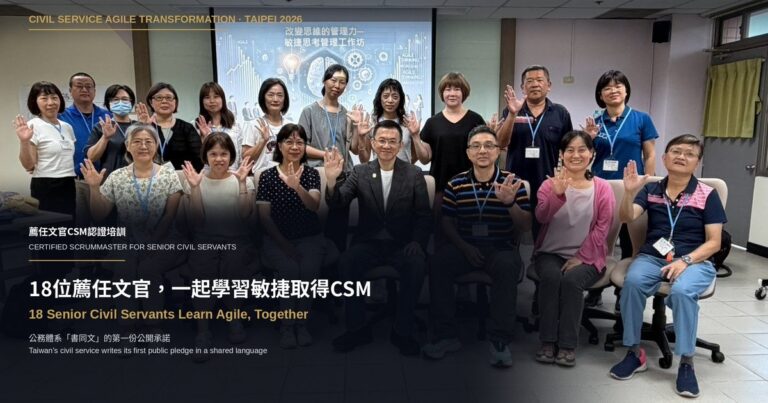
Some CEOs walked into CSM classrooms themselves — not for another certificate, but to understand why their organization needs to change. Some companies moved from CSM to CSPO, from understanding Scrum roles, events, and artifacts to discussing product value, priorities, business outcomes, and cross-functional decisions.
These experiences deepen my belief: Taiwan does not have to merely follow international methods. Taiwan can create Agile transformation stories that belong to Asian enterprises.
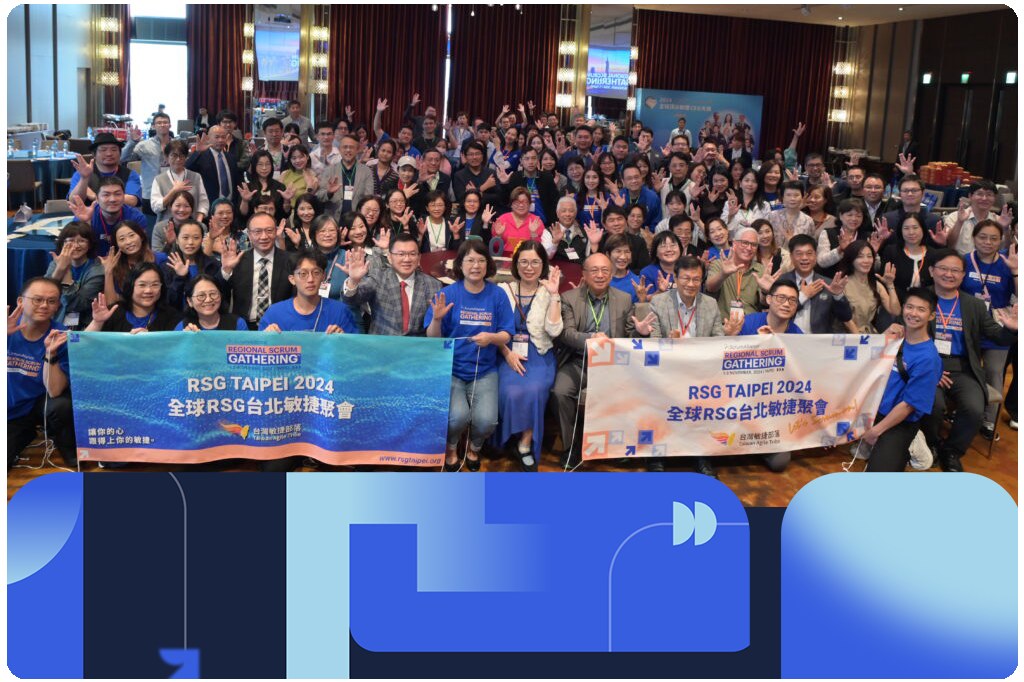
From PMP to CSM, from CSM to CSPO, from individual expertise to enterprise transformation, from the classroom to the executive decision table — what I have been trying to do has really been just one thing: making professional learning not stop at the individual, but become the starting point of enterprise transformation and social impact.
Receiving the PMI Honor in Seoul also made me think again about Scrum’s future influence.
Scrum’s value should not live only in software teams, classrooms, and certifications. Scrum’s real power is helping organizations create results in complex environments in ways that are more transparent, more courageous, and more respectful of people.
If Scrum is to keep expanding its influence over the next decade, I believe we need to explore several questions together: How does Scrum enter the language system of more senior executives? How does it reach more non-IT industries? How do CSM and CSPO become not just personal certifications, but gateways through which companies improve decision quality, product value, and adaptability?
These are not questions I can answer alone.
But I am willing to bring what Taiwan has accumulated — the PMP community, CEO CSM, CSM/CSPO corporate classes, Taiwan Agile Tribe, and Regional Scrum Gathering Taipei — into a bigger international conversation, learning and contributing alongside more partners across the Scrum Alliance.
Closing: We Can Go Further, Together
On June 10, 2026, standing on the award stage in Seoul, my strongest feeling wasn’t “I have finally arrived.”
It was: “We can go further, together.”
There is one more scene from this Seoul trip that I hold deepest. My mother, whose mobility has recently been affected by diabetes complications, insisted on flying to Korea — through pain — to watch her son receive the award. My wife Elly stayed by her side the whole way. To me, the trophy on stage is an honor; but the look in my family’s eyes below the stage is the strength that has carried me for twenty years, and will carry me on.
This award reminds me: the professional path does not end with a certification. Real professionalism is continuously pushing yourself toward greater responsibility.
From PMP to Scrum, from project management to Agile leadership, from Taiwan to Asia — I believe we are walking out a new road.
In the next decade, Taiwan will not just be a place that learns international methods. Taiwan can be the place that integrates project management, Agile, and executive leadership — and exports that influence to Asia.
Thank you to every friend who has walked alongside us on the road of PMP, CSM, CSPO, corporate classes, Taiwan Agile Tribe, and RSG Taipei. This honor belongs to the professionalism and conviction we built together.
And I will carry this conviction forward, pushing the strength of Taiwan’s project and Agile community toward the next, greater responsibility and stage.
Media Coverage: Taiwan’s Media Witnessed This Moment Too
This recognition was covered by Taiwanese media outlets and the PMI Taiwan Chapter (coverage in Chinese). Each report is one more record of Taiwan’s project and Agile community being seen: