Most companies finish one agile course and conclude: “Good, we’ve adopted it.” Then they go back to scheduling projects, fighting customer fire drills, and pulling limited resources across departments.
But let me ask a more direct question: your directors, associate VPs, and division heads — how many product decisions did they make today without a shared language to judge whether those decisions were right? Should we let this customer jump the queue? Should we pour headcount into short-term revenue or long-term platform capability? Should we shut down a product line we’ve run for years whose value has quietly faded? These look like management problems. They are all product decisions. When an executive team has no shared language for judgment, every meeting can be earnest, yet every decision is just people talking past each other.
This isn’t a training problem. It’s a governance problem.
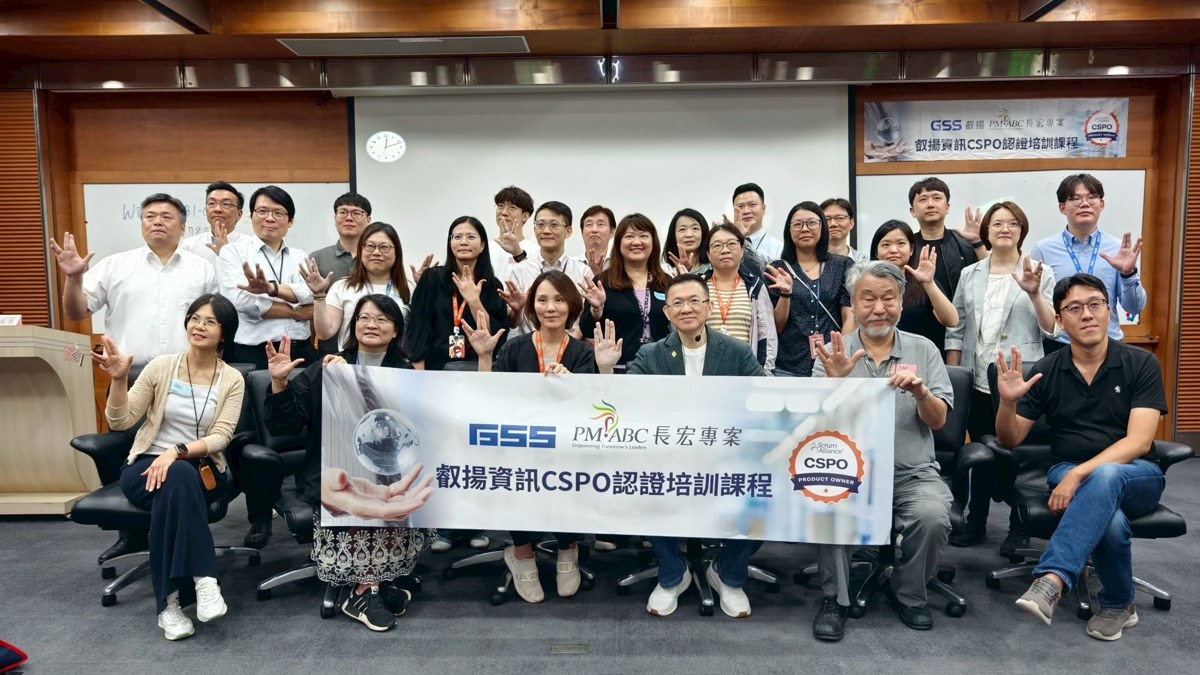
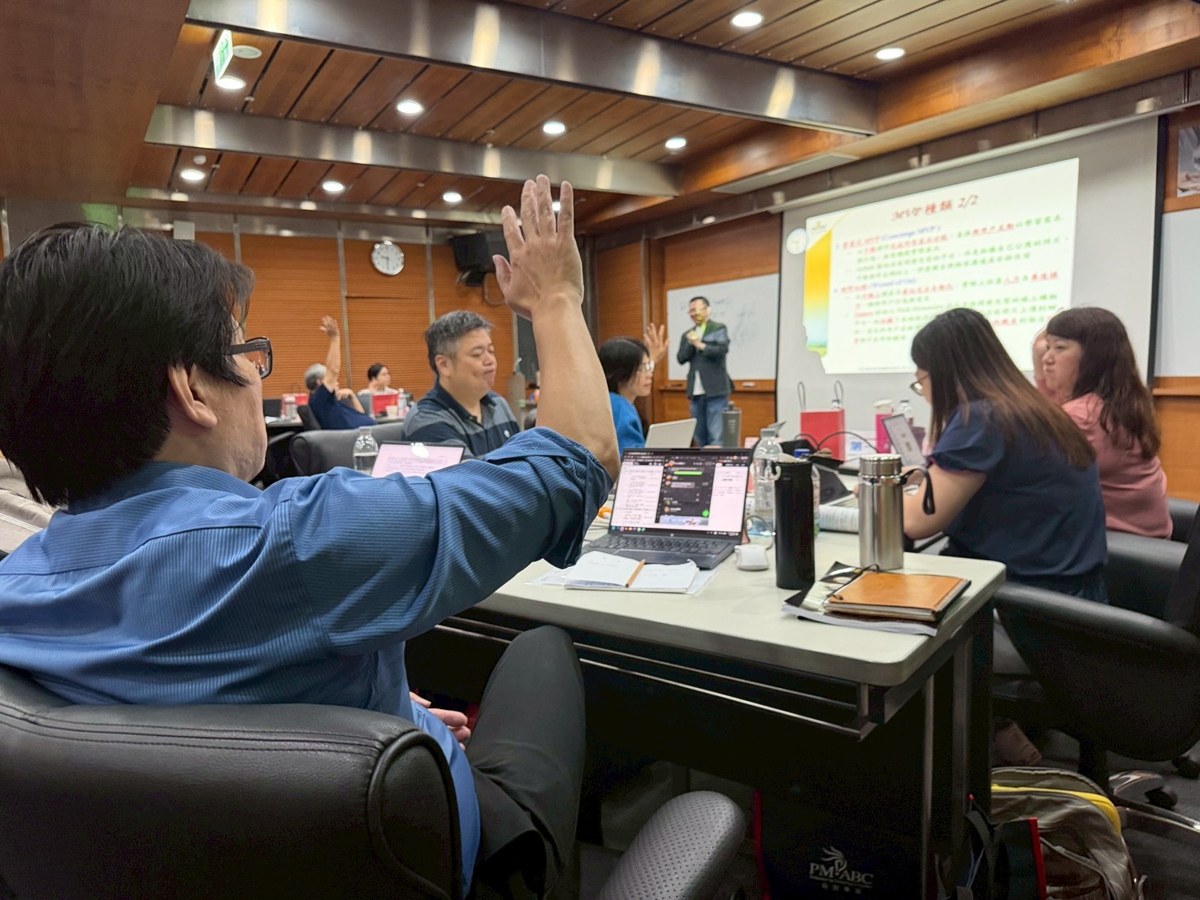
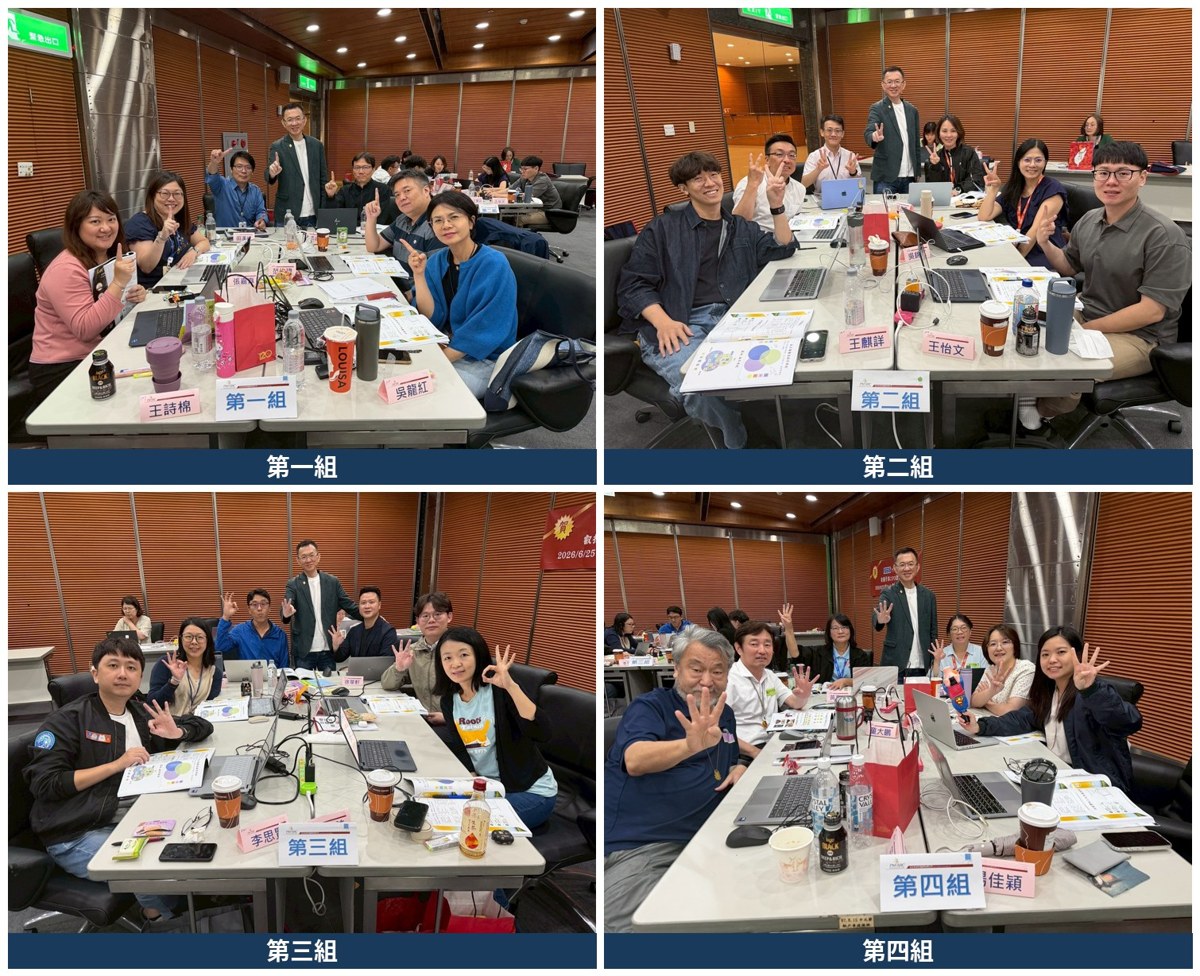
In my previous article, I wrote about Galaxy’s first CSPO cohort — why a company whose 50 executives had already earned CSM still sent its general managers and division heads back to the classroom. Today I returned to Galaxy Software Services to teach CSPO to the second cohort of 24 senior executives — not ordinary students, but directors, associate VPs, and division heads.
Most people saw “Galaxy opened a second CSPO class.” I saw something else: a company that has run Scrum for over a decade, deliberately turning product judgment from the skill of a few POs into a capability built into the whole organization. AI makes execution cheap, but judgment expensive. This class was about exactly that increasingly expensive, increasingly scarce thing.
This Isn’t a Second Class — It’s a Second Layer of Diffusion
The first CSPO put POs back at the decision table. The second CSPO began helping more senior executives share an understanding of what product value, business models, prioritization criteria, and product governance really mean.
These are very different things. The first cohort was the spark; the second is the fire spreading into the organization.
Many companies treat the first certificate as a transformation result. But a truly ambitious company asks a second question: can this capability spread, be replicated, become the organization’s shared language — entering daily meetings, annual planning, and resource allocation? The first class proves a company is willing to begin. The second proves it genuinely wants the capability to grow.
The first cohort taught Galaxy’s POs one thing: a PO is not a requirements receiver, but a value decision-maker. Yet in the field, a PO faces a “flood of requirements” — the customer says it’s urgent, sales says we’ll lose the deal, engineering says the architecture needs rework, and every voice has a point. The question is: who decides what matters most? This cannot rest on a few POs alone. The second cohort helps more executives understand that for a PO to judge well, the whole organization needs a governance environment behind them. So the second cohort isn’t remedial training — it’s diffusion.
Why Directors, Associate VPs, and Division Heads Should Learn CSPO
Many assume CSPO is a course for product managers. But I’m increasingly certain that the people who most need to sit in a CSPO classroom are general managers, directors, associate VPs, and division heads. They make product decisions every day — they just don’t call them product decisions. Whether to enter a new market, take on a big client, or kill a once-successful product that has stopped growing — none of these are pure management questions. They are all PO-level value judgments.
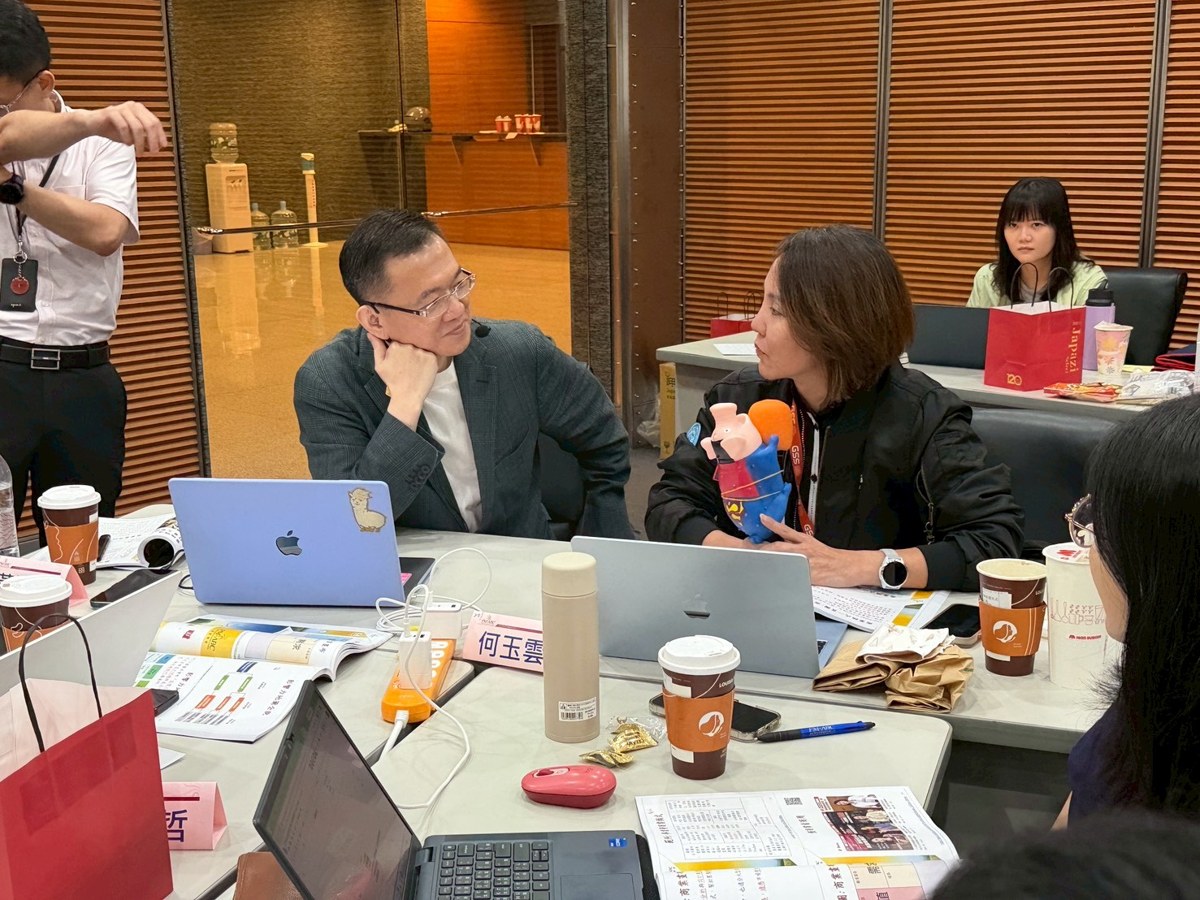
I’ve coached executives across many industries, and they almost all get stuck in the same place: they’re great at managing people, schedules, and costs, but few have ever been systematically taught how to judge what is worth doing. Management is about getting things done. Product leadership is about first judging what’s worth doing. These are completely different capabilities.
AI Makes Execution Cheap and Judgment Expensive
AI is rapidly driving down the cost of execution. Coding, testing, documentation, reports, requirements grooming — even meeting summaries — all getting cheaper. But one thing hasn’t gotten cheaper: judgment.
Judging which market is worth entering, which requirement is just noise, which product to accelerate and which to stop, whether today’s revenue or tomorrow’s moat matters more. AI can advise, but it won’t bear the consequences. It can organize data, but it won’t face the board for you. It can generate options, but it won’t carry team morale, customer trust, and market outcomes for you.
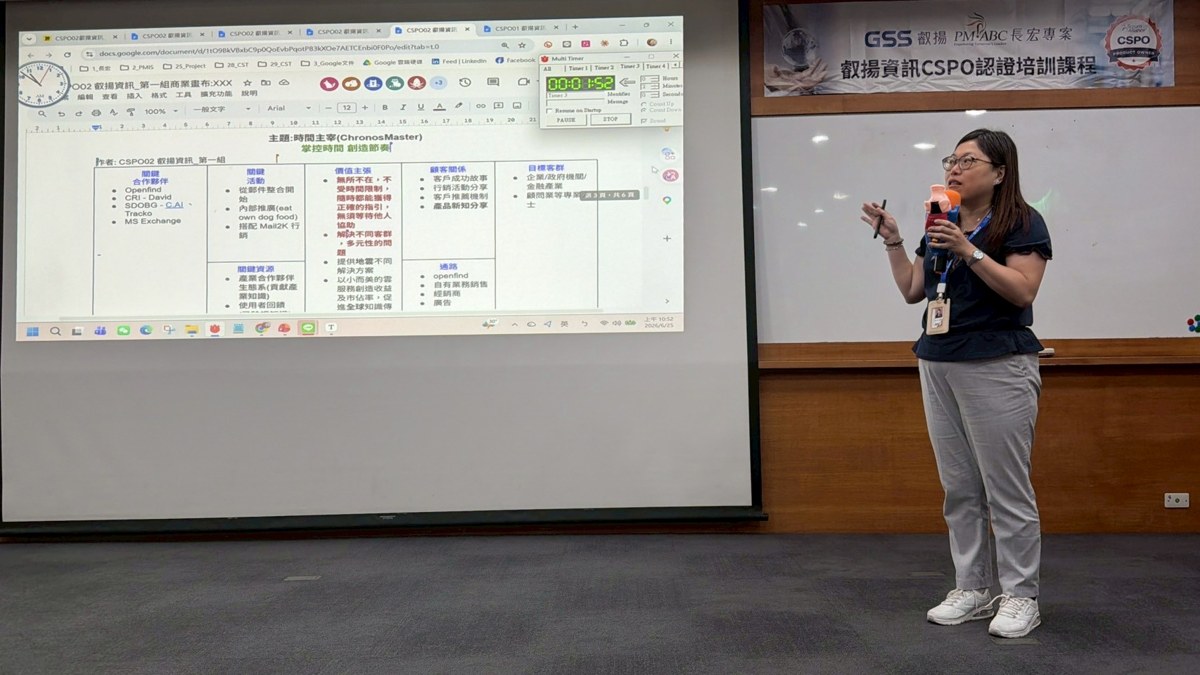
So in the AI era, a senior executive can’t only manage people and schedules — they must develop product judgment. For the past decade, companies competed for people who could execute. In the coming decade, the scarce ones are the people who can judge. What CSPO truly trains isn’t product-management technique, but a framework for executives facing value trade-offs.
From PO Empowerment to Product Governance
The first cohort talked a lot about PO empowerment. In the second, what I most wanted to see was product governance. Because empowerment is only the first step. A truly mature company doesn’t hand power to a PO and expect them to magically get stronger — it builds an environment that lets the PO judge well.
Are prioritization criteria jointly accepted by senior management? When does the PO decide, and when must it escalate to the general manager? Leave these unanswered, and the PO becomes a sandwich filling — squeezed by customer pressure, sales commitments, technical limits, and management expectations. Seemingly empowered, actually just pushed to the front line.
Empowering a PO with no governance environment — the real cost isn’t that the PO does poorly. The real cost is that you’ve handed your organization’s most critical judgment to someone with no backing. That isn’t empowerment. That’s abandonment. Real empowerment means the whole executive team shares responsibility for the quality of product judgment.
What Really Happened in Class Wasn’t Learning Tools — It Was Realigning Language
What I found most worth observing today wasn’t whether everyone understood CSPO, but that directors, associate VPs, and division heads began discussing product in the same language.
In the past, sales spoke in customer pressure, engineering in development cost, managers in revenue responsibility, POs in the Product Backlog. None of these languages is wrong, but on the same meeting table they often become a dialogue of the deaf — a two-hour meeting where no one truly knows “what was decided.” That’s not an efficiency problem; it’s that no one is standing on the same map.
One moment today stayed with me: a division head laid the sales team’s rush order, engineering’s cost, and management’s revenue responsibility on the table — and instead of arguing right or wrong first, asked one thing: “Let’s first confirm — what exactly is the value to the customer?” The room paused for a few seconds. In that moment, they weren’t fighting over who was right; for the first time, they stood on the same map.
The value of CSPO is translating these languages into one decision map: Who is the customer? What is the value? Which requirements come first, which features shouldn’t be built? When executives start talking in this language, the organization doesn’t just get better at doing things — it gets better at doing the right things. True agile maturity isn’t how many Sprints a team has run; it’s whether executives can jointly judge what’s worth doing and what isn’t.
CSM, CSPO, CAF: A Leadership Upgrade Path for Executives
What I admire most about Galaxy isn’t that it was willing to run one CSPO class — plenty of companies will. It’s that Galaxy is willing to do it cohort after cohort. Executives’ time is the most expensive and the hardest to free up. A company willing to have directors, associate VPs, and division heads stop and sit in a classroom together isn’t treating agile as a slogan. Many companies still ask, “Should we adopt Scrum?” Galaxy is already asking, “Can we give more leaders product leadership?” The level of the question determines the level of the organization.
From Galaxy’s investment over these years, I see a clear path. If you’re a CEO or business-group head, the real question is: is your decision layer still using a language of talking past each other to decide your product structure for the next three years? If you’re a director, associate VP, or division head, that nagging sense of “lots of meetings, nothing really moving forward” is usually not your ability — it’s that your decision layer’s language was never truly aligned.
CSM solves the language of collaboration: how we work together. CSPO solves the language of value: what we should actually do. CAF solves the language of dialogue: when opinions differ, how a group makes a better judgment. Put together, these aren’t three certificates — they’re a decision-capability upgrade path for executives facing the AI era, product competition, and organizational complexity.
Many see agile as a team method. But I’m increasingly certain agile’s real next battlefield isn’t the development team — it’s the decision layer. Because no matter how fast a team moves, if the direction is wrong, it only arrives at the wrong place faster.
Closing: The Second Cohort Isn’t a Continuation — It’s a Signal
These 24 executives walking into the CSPO classroom today aren’t, to me, just the start of Galaxy’s second cohort. They’re a signal.
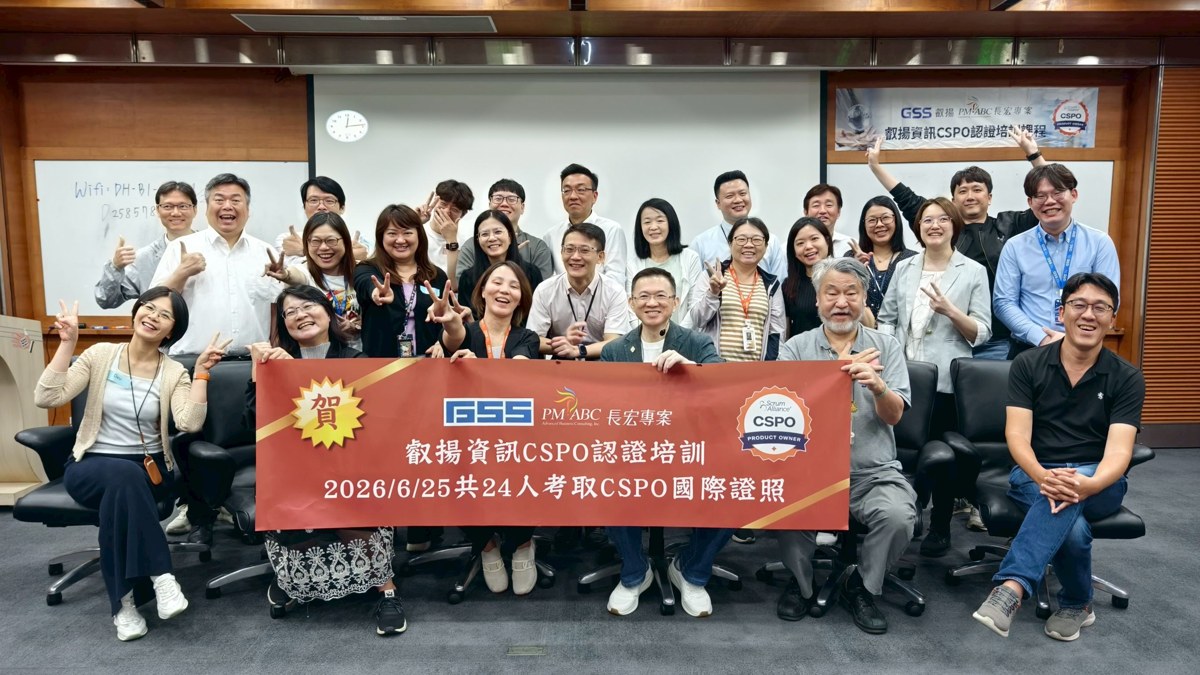
When a company that has run Scrum for over a decade is still willing to put directors, associate VPs, and division heads back in the classroom, it means it hasn’t treated past success as a talisman. It knows the competition in the AI era won’t wait: technology gets caught up, tools get copied, processes get imitated — but whether a group of leaders can jointly make better product judgments is the hardest thing to replicate.
Many CEOs tell me they’re waiting for a better time to push the next layer of transformation. My observation: waiting itself is one of an organization’s most expensive decisions. Your organization hasn’t regressed, but the market is moving forward. The difference between the two is the erosion of your competitiveness.
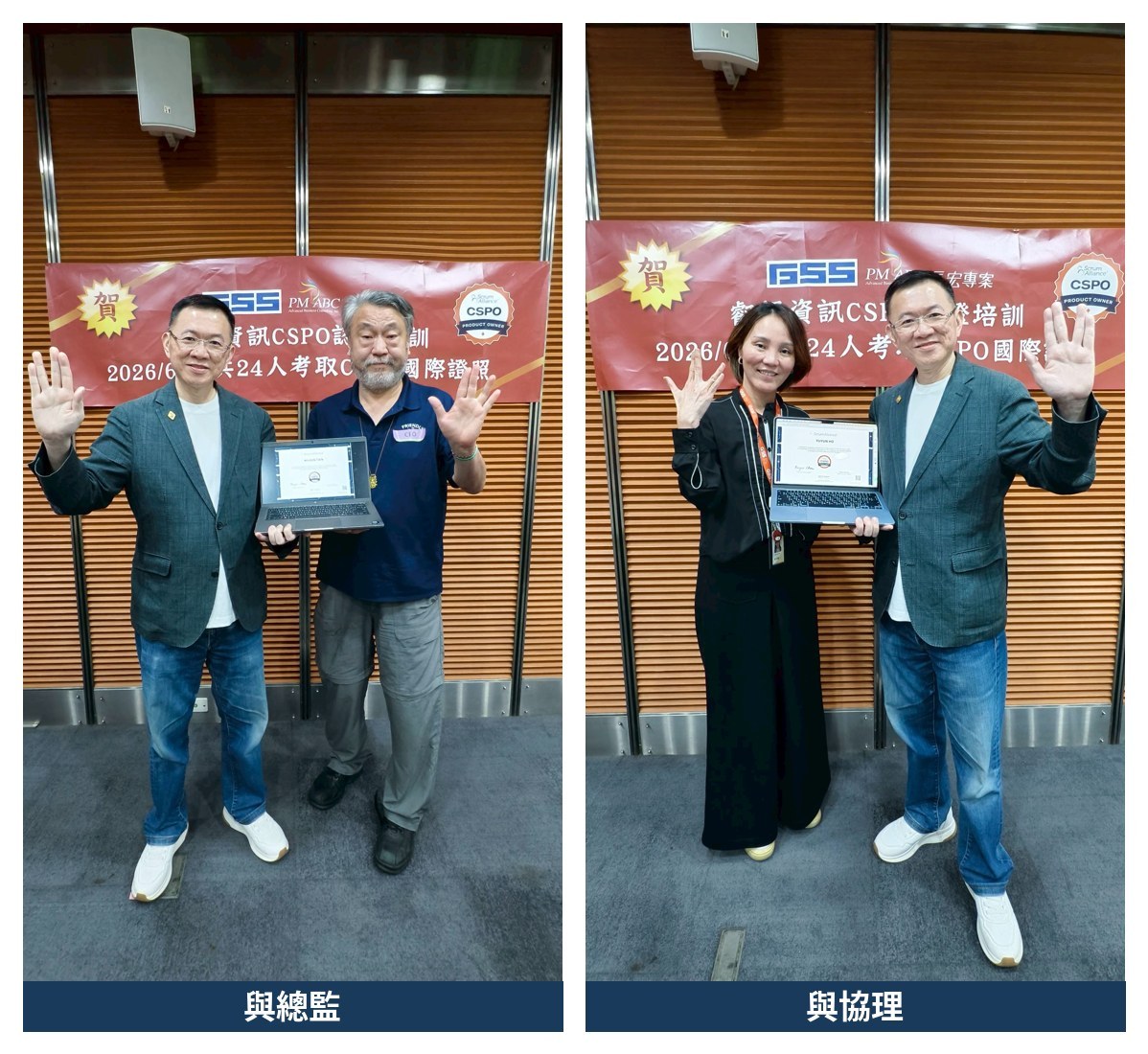
The first cohort let POs be seen again; the second let product leadership begin to spread. I’m genuinely curious whether this capability will grow into a product-governance system that belongs to Galaxy itself.
If you’ve also felt the “collaboration problem solved, but the value problem still open” friction, let’s talk about a CSPO corporate cohort. I’ll design a tailored plan based on your industry, scale, and current agile maturity — covering participant mix, course design, and a follow-up 4–8 week coaching cycle. Email Roger directly (pmsuccess@gmail.com) with the subject “CSPO Corporate Cohort Proposal.”
附錄:學員心得(Appendix: Participant Reflections)
Mr. Wang / Galaxy Software Services, R&D, Environment Sensing, Manager
This course carries a lot. Throughout it my mind kept turning over which frameworks and methods I could bring straight back to my team. I’m in R&D — not on the product front line — but much of the mechanism taught here can fold directly into our daily development. If we can connect this flow smoothly, it’ll really help the team’s collaboration. I’m genuinely looking forward to it, with a small worry too: rolling a brand-new mechanism into a whole team always brings an adjustment and growing-pain period. Even so, I’ll go back and try — starting small, taking everyone along step by step.
Ms. Yang / Galaxy Software Services, Integrated Secure Development Platform Services, Manager
Our team already runs agile, but the boundaries between PO and Scrum Master have always been blurry, with work concentrated on a few people. This course validated what I’d been doing while teaching me much more, much deeper. Many concrete, hands-on toolkits — like the product map and specific planning charts — were produced right in class, showing me more grounded implementation detail. Beyond the course itself, exchanging ideas with members of other teams was hugely valuable; day to day we rarely get to talk with the “senior elders” of other units, and this deep exchange was truly worth it.
Mr. Wu / Galaxy Software Services, Division Head
I’d taken the CSM certification before, and adding these two days gave me a fuller, more three-dimensional picture of the whole Scrum architecture. CSM leaned toward one perspective; with this course, the agile puzzle feels far more complete. Beyond the concepts, I’m grateful to my Group One teammates. Over these two days we exchanged a great deal of practical, real-world experience, sharing openly; in the later exercises everyone threw themselves in, finishing each challenge and discussion together. That mutual spark of ideas felt wonderful.
Mr. Liu / Galaxy Software Services, Financial Productivity Development, Manager
Our group chose the Bole system the company is actively developing — a core product I believe all of us care about. First, deep thanks to my teammates; through close collaboration and shared experience I gained a much deeper understanding of the product’s core architecture and direction. We also learned substantial professional methods and tactics for requirement prioritization and refinement. Back at work, I’ll use this evaluation mechanism to re-examine and optimize our existing R&D plans and execution order, so the whole development flow runs more smoothly.
Ms. Tien / Galaxy Software Services, Product Director
These two days of CSPO brought me real, tangible benefits. Looking back, since November two years ago I’ve doubled as both PO and CSM, leading the team to build our new “project management system.” After two days of systematic learning, I realized deeply that much of our past practice wasn’t truly executed at its most precise, complete state. Had I taken this course before the project kicked off, our requirement grooming and adaptation would have been far more thorough, and the product’s journey far smoother. Special thanks to Roger — we all felt your boundless passion for teaching. I hope this CSPO culture and mechanism takes root in our team, helping more of our product lines shorten time to market and match what the market and customers truly need.
Ms. Ho / Galaxy Software Services, System Direct Business Division, Associate VP
We joined this training mainly because we had a chance this year to collaborate and align deeply with the App team. We were largely an agency-type team with relatively little exposure to actual product development; with this opportunity to work closely with the dev team, we sincerely wanted to understand the development side’s logic better, for more efficient cross-unit collaboration and complementary resources — which is why I invited my whole team. Thank you, Roger; over two days we felt your passion for teaching. Doing the exercises, I came to appreciate the complexity of the PO role — it’s no easy job, and without solid hands-on experience it’s hard to fully realize its value. Back at work, I’ll keep leading the team to learn; and where appropriate, I’ll advocate to senior management, because making Scrum truly effective in our team requires deeper support and resources.
Mr. Tien / Galaxy Software Services, Division Head
Looking back, I’ve known Roger for nearly fifteen years. My agile and project-management foundation began with the PMP certification, followed by CSM training two years ago. From my first encounter over a decade ago, I’ve always felt the teacher’s boundless passion for agile education. These two days of CSPO brought me much inspiration, prompting me to think hard about leading the team toward continuous improvement. The systematic knowledge and methods answered many practical blind spots. Yet I believe the core is “landing it in practice”; without real application in daily development, even the most complete body of knowledge becomes mere theory. Honestly, these two days of intensive exercises made me realize I’d already forgotten half of what I learned in CSM two years ago without sustained practice. So I’m grateful to reconnect these key ideas through this refresher and new tools. Finally, I’d advise our senior management: please give more resources and real support as we advance Scrum. We’ll work to internalize this agile flow into product development, improve quality, and create greater revenue and value for the company.
Ms. Chang / Galaxy Software Services, Division Head
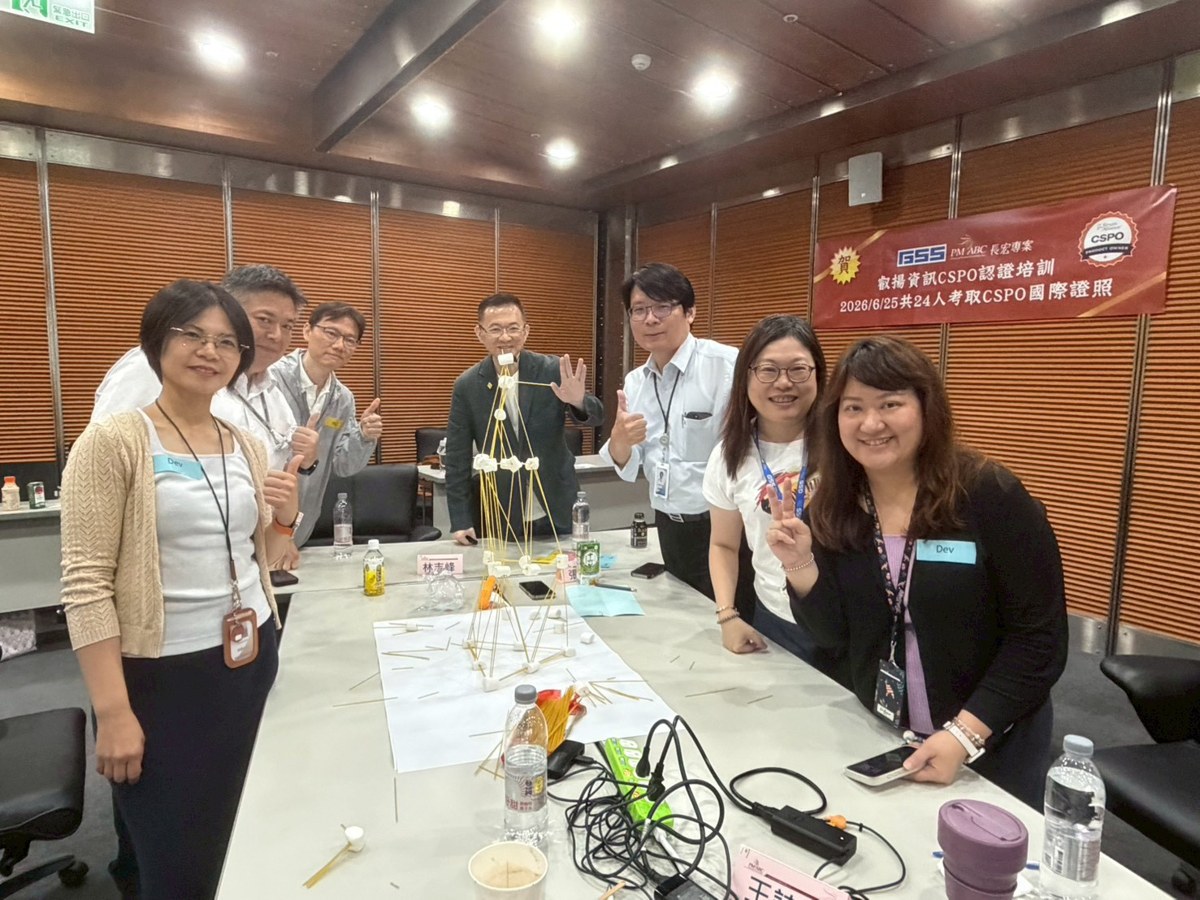
I just finished the CSPO (Certified Scrum Product Owner) course, and for me it wasn’t merely learning tools — it was a genuine shake-up of mindset. Throughout, I kept reviewing and reflecting on how I’ve led my business division and built products, checking which ideas differed from my past thinking and were worth re-approaching from a new angle. Take the tower-building game: it’s only a game, but as a control freak used to planning everything before executing step by step, I was truly impressed that my teammates could carry me along, adjusting as we went. The moment we let go and trusted the tower wouldn’t fall, I realized — usually we’re far too afraid of failure, when in fact failing fast and learning early is the spirit of agile. Extending that, we should first validate the “high-risk, high-value” assumptions. This reversal of thinking completely reshaped how I think about feature prioritization.
On product roadmaps, I started wondering whether our new product had fallen into traditional roadmap thinking; and hearing about the “stupid zone” of the validation curve, I thought of how our sales started strong then suddenly hit a wall. I used to blame external factors like AI’s fast technology iteration, but now I think there were places in our own ideas and validation we could have done much better.
Most important was how creative improvement can change the business model — upgrading mere “product optimization” into a restructuring of a “systematic profit architecture.” Through creative thinking we can reconstruct the value proposition, revenue streams, and cost structure, break out of the red ocean, build entirely new competitive moats, and keep adapting to ever-changing customer needs.
Thank you, Roger, for two wonderful days of teaching and stories that re-energized me. I believe my life, my team, and my products are all my responsibility — I call the shots, and we will turn this into success.