Nine months ago, the whole world had written Intel off. Nine months later, its stock had risen about two and a half times, and it had walked itself back off Wall Street’s delisting watchlist. Most people saw a technology comeback, a yield ramp, a political windfall. But that’s not the part a CEO should stop and think about.
A company doesn’t climb out of its own grave because its engineers try harder. It climbs out because someone re-ordered the priorities — what to cut, what to keep, what to open up to the enemy. That is exactly what a Product Owner does every day, and exactly what most executives misunderstand. Intel’s problem was never a shortage of technology. It was that for ten years, no one dared to take final responsibility for “the most important thing.”
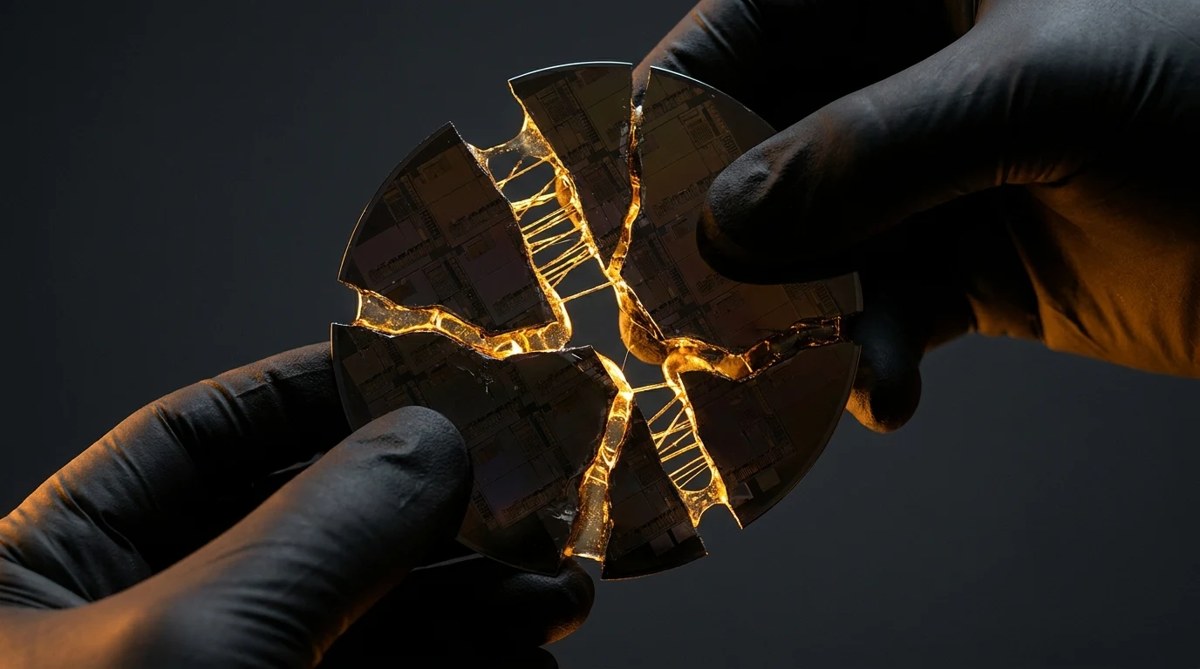
Intel wasn’t dying of bad technology — it was dying because no one owned “the most important thing”
Last August, Intel was worth one-fiftieth of Nvidia. Wall Street had labeled it bankrupt, breakup-bound, for sale; the board was debating selling its crown-jewel foundry business to TSMC. The script the market had written was, basically, extinction.
Plenty of people blame Intel’s decline on falling behind in process nodes, on missing AI, on TSMC being too strong. All true — and none of them the root. A company with the deepest semiconductor heritage in the world doesn’t end up on the auction block for those reasons alone. The real disease was one level up: its “list of things to do” — what Scrum calls the Product Backlog — had never been seriously prioritized. Every product line mattered. Every fab was untouchable. Every investment had a sponsor. When everything is important, nothing is.
Most organizations don’t make the wrong decision. They just make every option look necessary — until no one dares say which one shouldn’t be done.
That is exactly why Scrum insists on one Product Owner, and only one. Not because he’s the smartest person in the room, but because prioritizing value has to rest with a single, accountable person who gets the final say. For ten years, that role is precisely what Intel lacked.
Move One, cutting 24,000 jobs: that wasn’t a layoff, it was re-ordering the Backlog
In his second month, Lip-Bu Tan cut about 15% of the workforce — 24,000 jobs, from over 90,000 down to 75,000. Tens of billions in European fab expansion: cancelled. The Ohio project: slowed. Management layers: halved. The line he sent to all staff traveled far: no more blank checks — every investment must make economic sense.
In CSPO terms, this wasn’t cost control. It was a wholesale Backlog reset. Under a failing PO, the backlog swells without limit — because saying “yes” to every proposal is the easy path, and saying “no” is the one that makes enemies. A real PO’s most valuable skill is never deciding what to do; it’s having the courage to decide what not to do.
A PO’s most expensive decision isn’t naming what comes first. It’s telling a team, to their face: the thing you’re working on — I’ve moved it to last.
Intel’s previous CEOs walked the path of “catch up on our own technology, build our own fabs, pull the company back onto the track single-handedly.” Admirable in spirit — but bluntly, it was a to-do list that could never be finished. The first thing Tan did was cut that greedy list down to only the items that could actually create value. The cost of cutting was brutal. But every item that stayed finally had the resources to be finished.

Opening the door to yesterday’s enemy: a PO sees no “our stuff,” only “the value the customer wants”
The most anti-Intel move of all was opening the door. Last September, Nvidia bought $5 billion of Intel common stock and the two agreed to co-develop chips; SoftBank came in behind it, and even the U.S. government took roughly a ten percent stake. A company that had turned a closed x86 ecosystem into its very identity opened its shareholder register to yesterday’s rival — and to the state. That had never happened in Intel’s history.
This is the purest form of Product Owner thinking. An organization held hostage by its engineering DNA says, “we built this ourselves, no one else touches it.” A PO who treats value as the only yardstick asks: what does the customer actually want right now? The AI inference era wants a stable compute partner — so let the strongest rival in, and grow that value together.
In a PO’s eyes there is no “this is our pride.” There is only “is this useful to the customer.” What you can’t bear to let go of is usually exactly what makes the organization miss the next era.
In the years I’ve spent coaching companies through transformation, I’ve seen the same thing over and over: what stalls a transformation is almost never technology. It’s leadership that can’t let go of “this is our core, we can’t open it up.” Intel proved something with that $5 billion investment — when you put value ahead of ego, even your biggest competitor, even a government, will voluntarily put money down betting you cannot be allowed to fail.
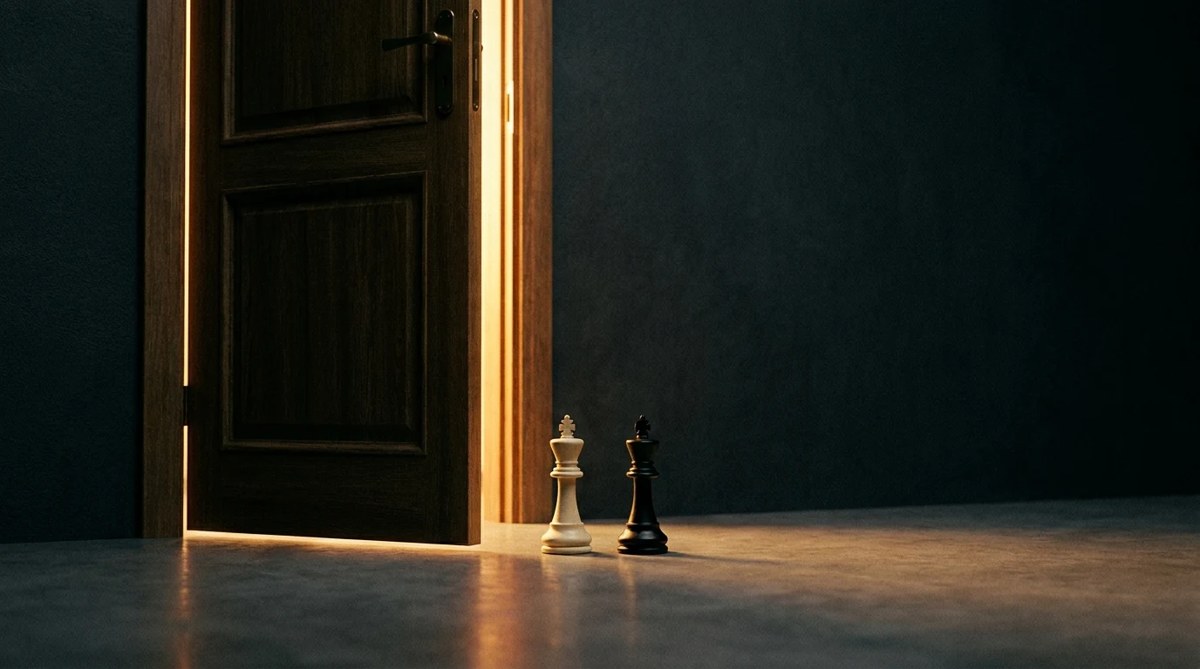
Standing alone against the whole board: a PO’s loneliest moment is shielding future value from present pressure
All summer, the chairman repeatedly pushed to spin off the foundry, or sell it outright to TSMC. On paper it added up perfectly: the foundry lost money every year, dragged down the valuation, ate the cash flow. Tan held off the entire board almost single-handedly. What he was defending was simple — the AI inference era is coming, and this piece of meat, the foundry, has to stay.
Sell the foundry, and Intel becomes a pure design company — locking away its own future on the manufacturing side. This is a PO’s loneliest and most critical job: when everyone else is staring at the short-term numbers, to shield the long-term value that hasn’t paid off yet from the pressure of the moment.
The numbers in a sprint will speak for themselves. But a PO has to carry, alone, the stretch of time in which value the market can’t yet see gets doubted.
That internal fight cost dearly — billions in financing shelved; an AI acquisition that could have helped it catch a rival, lost because the board deliberated half a beat too slow. Tan paid the price. He did not back down. A PO willing to own the final value has to accept the burden of “getting blamed now, being proven right later.” That isn’t stubbornness. It’s accountability, all the way down.
Hand stops, mouth stops: real value is a shippable Increment, not a vision on a slide
This April, two contracts became the turning point: signing on as the lead foundry partner for Musk’s Terafab — the first external major customer for the 14A node — and, the same day, a multi-year server-CPU contract with Google Cloud. But what actually lit up the stock was the blowout earnings, and four words management used on the call: hand stops, mouth stops — you ship exactly what you make, the buffer inventory is exhausted.
Tan himself admitted: fab yields are still below where I want them. That line isn’t weakness at all — it’s the most convincing thing he could have said. Because it means the orders already fill the fabs; the only problem left is ramping capacity. This is what Scrum means by Done — a thing is either truly finished and in the customer’s hands, or it doesn’t count. Value isn’t promised into being. It’s accumulated, one shippable Increment at a time, that the customer actually receives.
What the market ultimately believes is never the vision you announced. It’s that quarter after quarter, you actually delivered.
Contrast Musk’s Terafab: over twenty billion dollars announced to poach engineers, buy tools, and build the world’s largest fab, promising hundreds of billions of chips a year by 2029. But yield isn’t something money can buy. Vision first, delivery later — versus deliver continuously and earn trust with real increments: that difference is exactly what TSMC spent thirty-eight years walking out, and what Intel is now chasing back with the very same method.
The bottom line: does your organization have someone who dares to prioritize — and to own it?
What Tan did in nine months isn’t as simple as pulling Intel off the bottom. He did the thing most organizations lack most, and find most painful: re-order the priorities, and take final responsibility for that order. Cut the greedy list, put value ahead of ego, shield the long term from the short term, win trust back one shippable increment at a time — those four acts are the full portrait of a mature Product Owner.
If you’re a CEO, the real question this case poses isn’t “is our technology strong enough.” It’s — in your organization, is there a single person, empowered and held accountable, who dares to decide what not to do? If you’re a middle manager, that feeling of “everything matters, nothing ever gets finished” is usually not a sign you aren’t working hard enough. It’s a sign that, one level up, the prioritization of value never actually happened.
When I teach CSPO, the first session never starts with tools. It starts with a harder question: in your organization, who exactly gets to prioritize value, and who owns it? Intel just proved, with a full-scale comeback, that what decides whether a company lives or dies is often not how much it did — but whether one person dared to take final responsibility for the single most important thing.
And that — is something you can design.
Intel’s comeback was, at its core, a lesson in prioritizing value — a trainable skill, not a gift. If you want to grow a Product Owner who dares to prioritize and to own it, join the CSPO certification class I teach personally (Taiwan’s only CST, two days). Next class & registration: https://www.pm-abc.com.tw/Member/Registration_SCRUM