What companies are truly stuck on isn’t the method—it’s “who will take responsibility”
Some events are built to teach you a new framework.
Others exist to help you check your bearings—where do we stand, really, in a world that keeps getting more uncertain?
For me, RSG Taipei 2026 is the second kind.
Not because it’s called RSG, and not because of how many international speakers it brings in. It’s because on the front lines of business, I keep seeing a reality that’s becoming clearer—and yet rarely said out loud:
We don’t lack tools. We lack people who are willing to step forward—to make the call, own the consequences, and carry the impact.
Over the past few years, we’ve talked nonstop about Agile, Scrum, AI, transformation. We have more tools than ever, and our processes move faster than ever. But you and I both know what truly blocks organizations isn’t the method itself.
It’s this: Who’s willing to say, “I’ll take responsibility”?
Who can lead a group through uncertainty—through a stretch of road with no standard answer?
That’s exactly why I decided RSG Taipei 2026 needed to move to a different level.
And because of that, the design of RSG Taipei 2026 lands in a place that’s rare—even by global RSG standards. It won’t be the biggest event, and it won’t have the most speakers. Instead, it makes deliberate structural choices around how responsibility is held, who is in the room, and how deep the conversation goes.
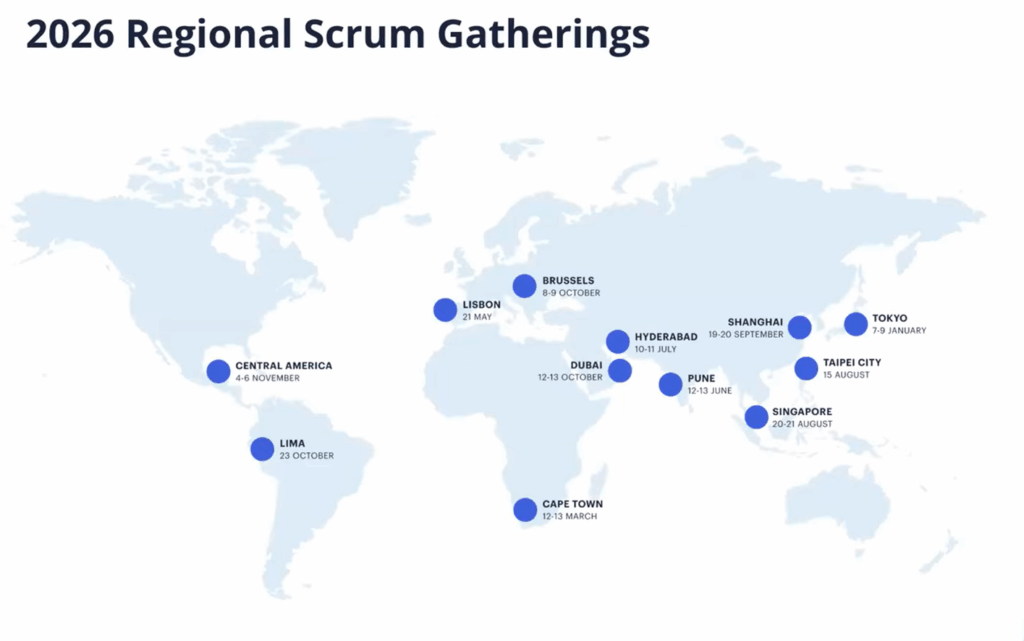
In 2026, only 12 countries worldwide will host an RSG—and Taiwan is choosing to host a one-day edition.
First, every seat at RSG is fully underwritten by 18 cross-industry, CEO-level CSM Brand Ambassadors. There’s no “ticket-buying audience” in the room—only peers who are invited in by leaders willing to take responsibility for the quality of the agile conversation.
Second, this year’s RSG deliberately spotlights agile practice beyond the tech world. Senior leaders from industries like food & beverage, manufacturing, engineering, healthcare, and consulting will share—directly and candidly—how they make calls in high uncertainty, own the outcomes, and lead their teams all the way through.
Third, the event is designed in two parallel tracks: one is a keynote-style speaking track, and the other is a facilitated, deep-dialogue track. That way, participants can choose what they need in the moment—whether that’s hearing new perspectives or stepping into the conversation.
Fourth, the entire day will be captured live by a professional visual designer—turning points of disagreement, decision paths, and how consensus forms into a complete visual record. This kind of setup has historically been seen only at the global-level GSG.
Finally—and most importantly—RSG Taipei 2026 won’t be open for public ticket sales. Participation is by Brand Ambassador referral only. This isn’t about creating exclusivity for its own sake. It’s a value-alignment mechanism—so everyone in the room knows why they’re there, and is willing to take responsibility for both learning and impact.
Put together, these choices make RSG Taipei 2026 more than just an event. It becomes an agile governance experiment—one that’s being tested in the real world, in real time.
Treating RSG like a real-world agile product
A lot of our RSG Brand Ambassadors have asked me the same thing: Why does RSG Taipei 2026 feel like it’s already moving so fast—and so steadily—when we’re still nearly six months out?
The answer is actually simple. From day one, I didn’t treat RSG as a one-time event. I treated it as an agile product—something that exists in the real world and needs to be validated, chosen, and invested in.
Once you look at RSG through a “product” lens instead of an “event” lens, the decision logic changes completely. You start with value before tactics. You confirm the vision before setting the pace.
That’s why every milestone and every outward message isn’t just “marketing”—it’s a way to test the market, build trust, and naturally invite the right people in early. So the reason RSG Taipei 2026 was able to get moving ahead of schedule isn’t just execution. It’s that we chose the right operating mindset from the very beginning.
The Product Owner’s vision: What kind of agile conversation does Taiwan need?
Everything starts with the Product Owner’s vision. Mine can be summed up in a single sentence:
“Let the world see Taiwan. Agility starts with executives—and reaches every industry.”
This isn’t a slogan. It’s an answer to a very practical question: If Taiwan is truly ready to have a mature conversation about agility, what kind of space does that conversation need?
My answer is this: agility can’t stay at the level of frameworks and processes. It has to move into the realm of decision-making, responsibility, and impact.
Don’t rush to execute—validate the vision the agile way
I didn’t jump straight into execution. Instead, I started with a deck—clearly articulating the vision so people around me could see that this wasn’t just about “running an event.” It was about building something worth investing time, trust, and resources in.
That was the moment RSG Taipei 2026: The Dream Begins truly took shape.
The first people I reached out to weren’t a large group of supporters, but a small group of pathfinders—12 lead volunteers, each one a recognized connector in their own circle. When the right people step forward, the right audience naturally follows.
With a clear vision and the confidence behind it, I could then invite truly heavyweight speakers and assemble a full facilitation design team—reshaping RSG from a speaker-centric conference into a genuine space for collective dialogue.
Next came a very agile move: I put the vision directly into agile communities and executive groups to test the temperature. On the first day alone, 30 people joined. That’s when I knew—we were heading in the right direction.
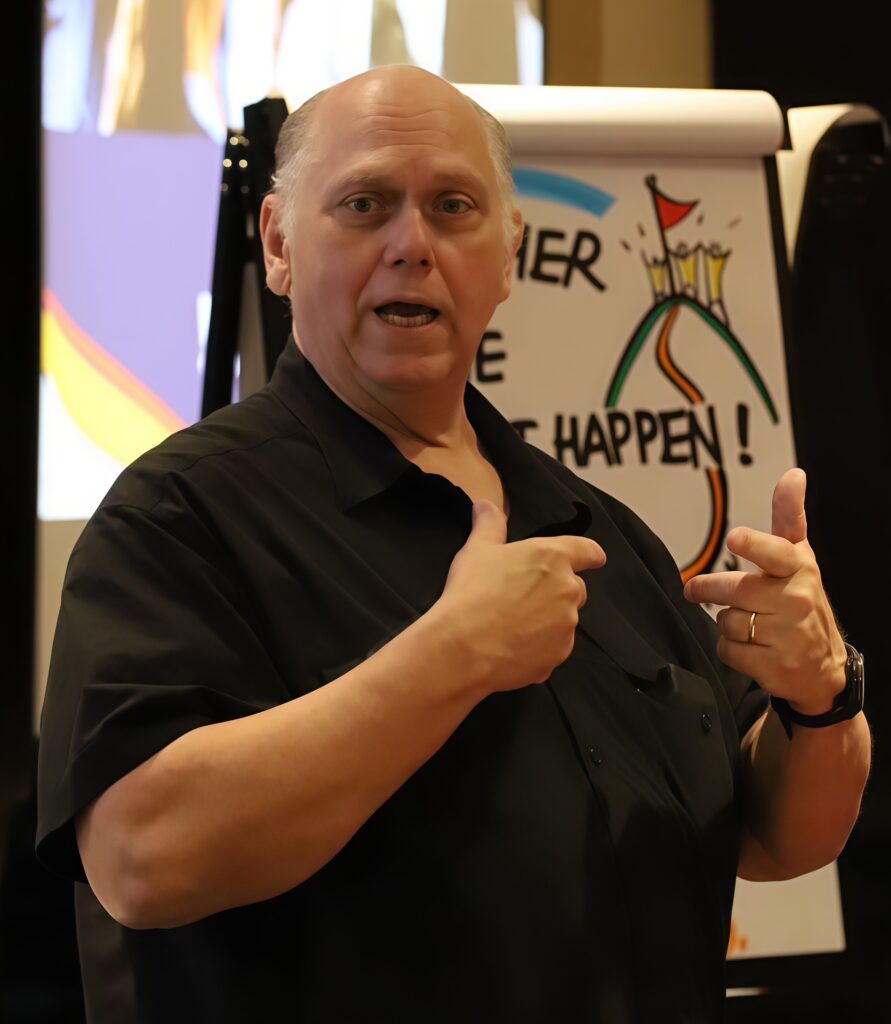
When participation passed the one-third mark (60 people) I made a bold move and initiated the next step: inviting 15 RSG sponsors, each contributing NT$20,000.
It wasn’t because we were short on funds. I could have covered the full cost myself if needed. But that wouldn’t have been market-tested. What I really wanted to know was this: Is this vision worth being shared—and carried—by more people?
Why I chose “Givers” instead of traditional sponsors
So I made a very uncommercial ask—to a group of business leaders I trust and have walked alongside for years.
Would you be willing to become a Giver?
Not for visibility. Not for titles. But to help create a space for dialogue in Taiwan—one that’s truly worth being seen by the world.
Within three working days, all 18 RSG supporters stepped forward. They became our RSG Brand Ambassadors, fully backing the vision.
Because of you, the RSG Taiwan dream is becoming real.
1.Hung-Chun Lee — Executive Director, Shin Yeh International Cuisine Co., Ltd.
2.Flora Hu — Group General Manager, GSS Information Technology Co., Ltd.
3.Chun Chiang — General Manager, Yong-Shi Construction Co., Ltd.
4.Chih-Hsien Shih — Chairman, Hsieh Magnetic Co., Ltd.
5.Hsueh-Chien Teng — CEO, Ray-Feng Management Consulting Co., Ltd.
6.Hsien-Tang Wang — General Manager, Guan-Cheng Energy & Environmental Control Co., Ltd.
7.Amy S.J., Chen — General Manager, Chiwan Bridging Consulting Co., Ltd.(aka CBC).
8.Ming-Lung Chu — General Manager, Kuang-Pro Digital Technology Co., Ltd.
9.Chun-Ju Chou — Chairperson, Professional Secretaries & Administrative Assistants Association of Taiwan
10.Wei-Chung Lin — General Manager, Yuan-Zhi Management Consulting Co., Ltd. / Sustainability Impact Coach
11.Jason Lu — CEO, X-Intelligent Data Structuring Co., Ltd.
12.Kevin Wang — General Manager, Galaxy Management Consulting Co.
13.Lindy Wang — Chief Operating Officer, Datwang Herbal Biotechnology Co., Ltd.
14.Frank Lin — Managing Director, K-Jinn Group
15.Cheng-Ting Shih — General Manager, Doremi International Digital Marketing Co., Ltd.
16.Sophia Lee — Vice President, Hong-Sheng Construction Co., Ltd.
17.Cellina Yeh — President, Pfizer Taiwan
18.Li-Hsiu Chen — Associate Vice President, PM-ABC Project Management Consulting
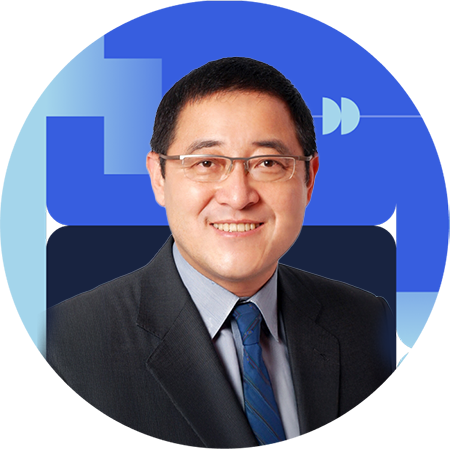
Executive Director, Shin Yeh International Cuisine Co., Ltd.
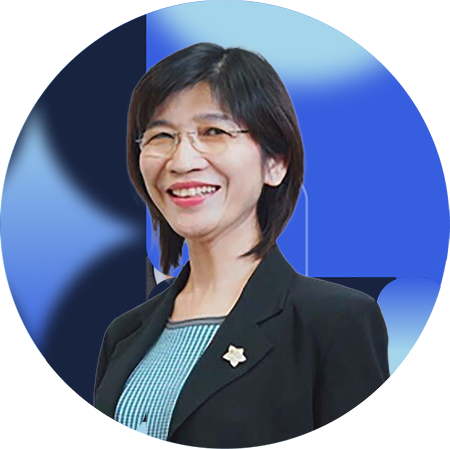
Group General Manager, GSS Information Technology Co., Ltd.
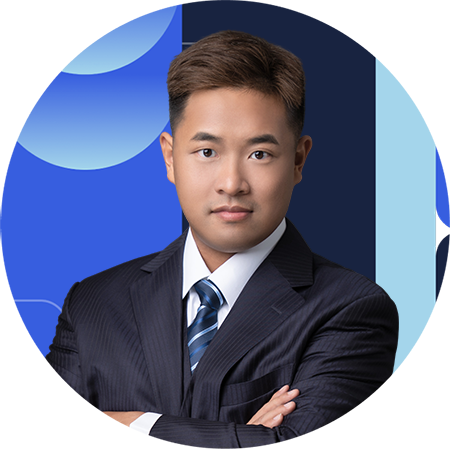
General Manager, Yong-Shi Construction Co., Ltd.
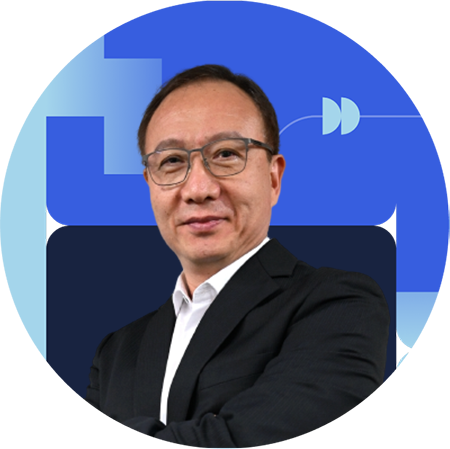
Chairman, Hsieh Magnetic Co., Ltd.
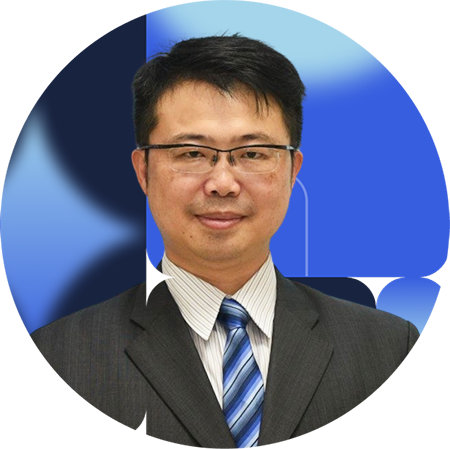
CEO, Ray-Feng Management Consulting Co., Ltd.
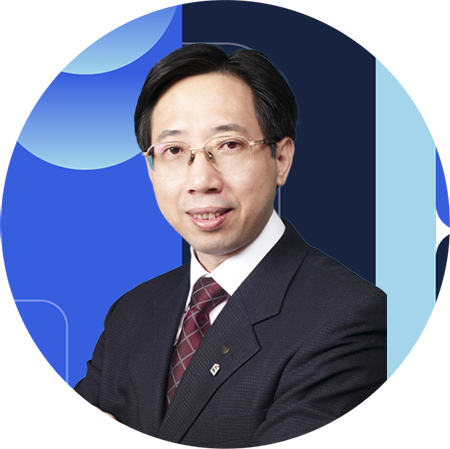
General Manager, Guan-Cheng Energy & Environmental Control Co., Ltd.

General Manager, Chiwan Bridging Consulting Co., Ltd.(aka CBC)
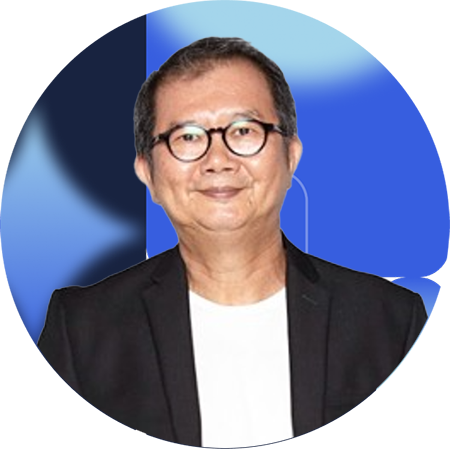
General Manager, Kuang-Pro Digital Technology Co., Ltd.

Chairperson, Professional Secretaries & Administrative Assistants Association of Taiwan
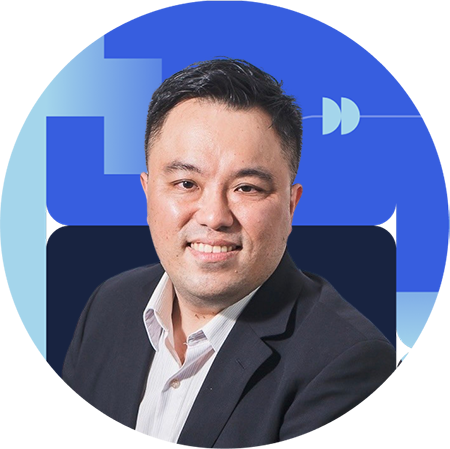
General Manager, Yuan-Zhi Management Consulting Co., Ltd. / Sustainability Impact Coach
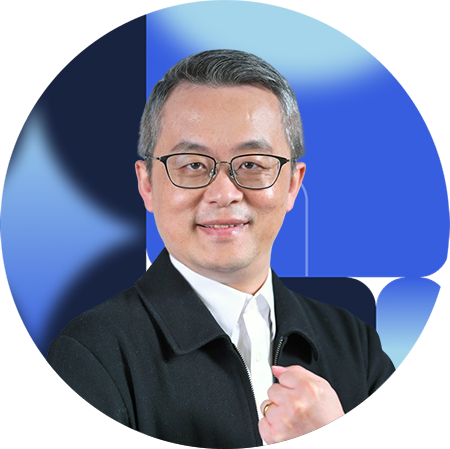
CEO, X-Intelligent Data Structuring Co., Ltd.
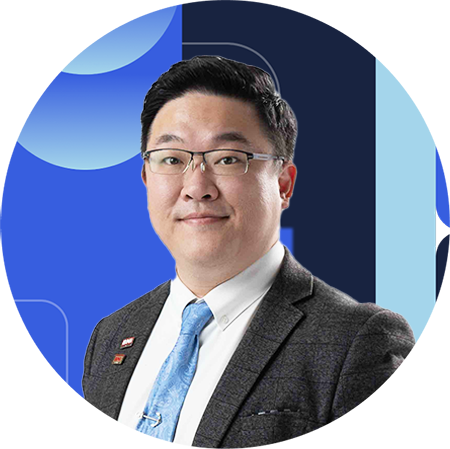
General Manager, Galaxy Management Consulting Co.

Chief Operating Officer, Datwang Herbal Biotechnology Co., Ltd.
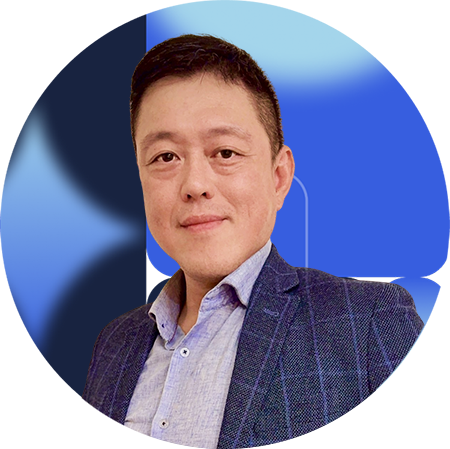
Managing Director, K-Jinn Group
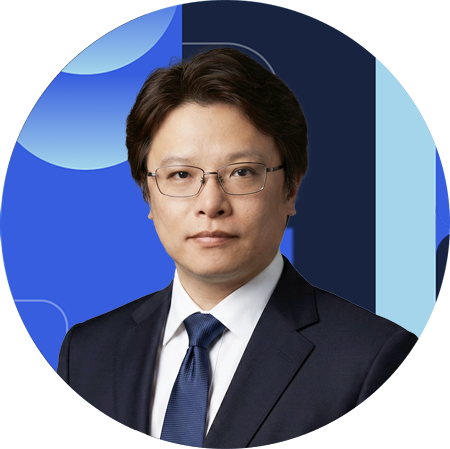
General Manager, Doremi International Digital Marketing Co., Ltd.

Vice President, Hong-Sheng Construction Co., Ltd.

President, Pfizer Taiwan

Associate Vice President, PM-ABC Project Management Consulting
In that moment, I was absolutely clear—this was no longer just an event. It had become a collective choice.
No ticket sales, no networking games: the real intent behind the referral model
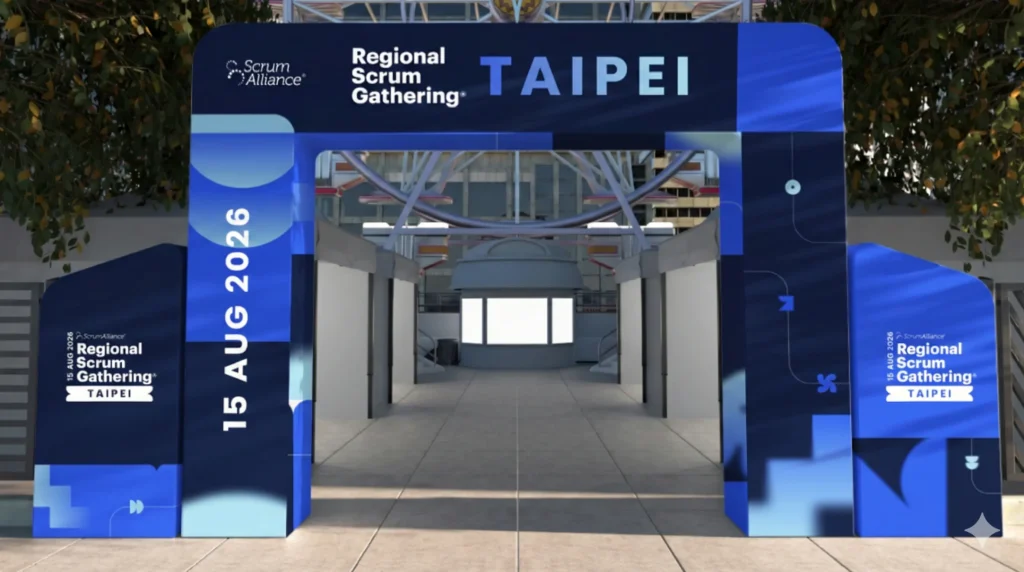
On Saturday, August 15, RSG Taipei 2026 will take place in Taipei—and it will not be open for public ticket sales. All participants will join by referral.
I want to be very clear about this: this isn’t about leveraging connections, and it’s not a gatekeeping exercise. It’s a simple—and intentionally elegant—invitation mechanism. One that allows people who are willing to invest in learning, dialogue, and the future of their industries to recognize one another.
If, as you’re reading this, a thought crosses your mind—“I’d like to take part, but I’m not sure how to ask”—that’s completely understandable.
You don’t need to know any of the Brand Ambassadors. And you don’t need to write a pitch to sell yourself.
All you need to do is express your intent, honestly.
You can write something like this:
Subject: Request for Referral to Attend RSG Taipei 2026 (via Brand Ambassador Hung-Chun Lee)
Dear Executive Director Lee,
After reading the vision behind RSG Taipei 2026, I felt a strong connection to the idea of creating a space centered on executive-level dialogue and shared responsibility.
If there’s an opportunity, I would truly appreciate being able to join the conversation in person on August 15—to learn from leaders who are actively practicing this work on the front lines.
If you feel it’s a good fit, I would be grateful if you could refer me to attend RSG Taipei 2026. Thank you for considering my request.
Sincerely,
(Your name / Title)
Send to: rsgtaipei.tat@gmail.com
We’ll help forward your message and guide you through the next steps.
At this point, around 120 participants have already joined, with a planned cap of 150 people.
I understand that for some more conservative leaders, this mode of participation may feel like a higher bar. But this is a deliberate choice in how RSG Taipei 2026 is positioned.
We’re choosing depth over scale, and responsibility over buzz.
RSG Taipei 2026: An Agile Leadership Case in Real Time
To me, RSG Taipei isn’t an event.
It’s a real-world case of applying agile thinking—starting from a clear vision, validating it continuously, and expanding impact step by step.
Some events are about learning.
Some events become history.
And RSG Taipei 2026 is a milestone—written through action by a community of Givers, for Taiwan and for the world.
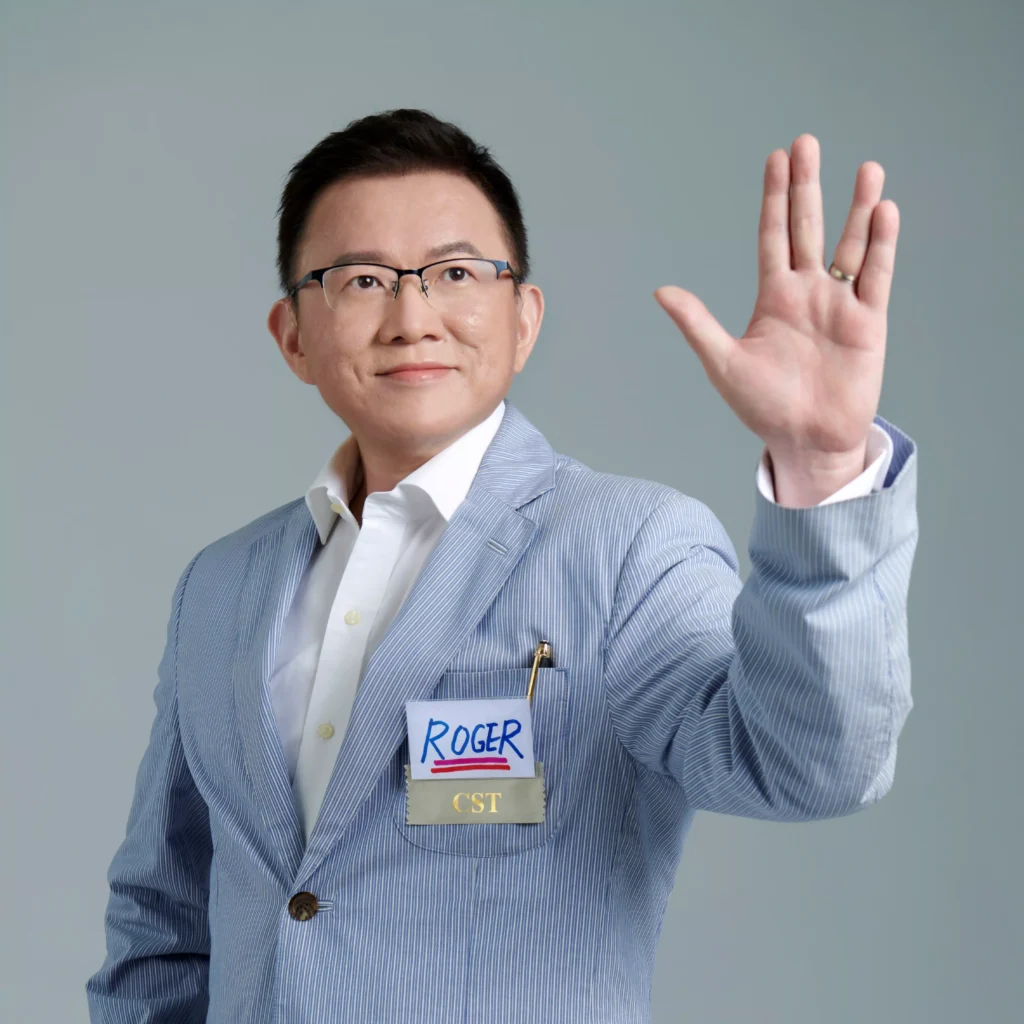
Organizer, RSG Taipei 2026
Taiwan International Scrum Ambassador
Dr. Roger Chou